
October 10
AL-BURHAN REJECTED NEGOTIATIONS, VOWING TO RETAKE ALL
TERRITORY HELD BY RSF. RSF rebels…widely believed to be backed by UAE.
Lauren Fortgang, Dir of Preventing & Ending Mass Atrocities, told The New Arab
Al-Burhan’s push to continue the offensive was further evidence of the intl community’s
“continued failure to hold either party responsible for attacks against civilians and gross
human rights violations. Burhan will continue to reject negotiations, including US-led
diplomatic efforts, unless there are incentives to stop fighting. …gross human rights
violations only signals to both Burhan and Hemedti they can continue to act with
impunity.” Massad Boulos, sr adviser for Arab & African affairs, met the army chief
earlier this week as Washington stepped up efforts to broker an end to Sudan’s
devastating 3-year war. The diplomatic engagement was followed by a dispute between
Washington and al-Burhan after US withheld a visa from the Sudanese army chief ahead
of UNGA.
October 7
4 WOMEN KILLED IN DRONE STRIKES ON ED DAMAZIN, BLUE NILE….
civilian sites, including a mosque and technical college….The attack on El Hijra
neighbourhood damaged a mosque and killed: Nahed El Jundi Yassin, Hanaa El Jundi
Yassin, Masajid Jaber Idris and Himaya El Nour. Fighting intensified in Blue Nile
between SAF, RSF and SPLM. Min of Finance condemned the attack….RSF targeted
his home with missiles fired by a strategic drone, describing the incident as a failed
assassination attempt. Ed Damazin Technical College condemned the attack on its
campus by 2 drones, saying several lecture halls, admin offices, labs and infrastructure
were damaged or destroyed. …Attacks on educational institutions violate students’ and
staff members’ right to a safe and stable learning environment and damage civilian
infrastructure serving the wider community. Emergency Lawyers Group condemned the
drone attacks, warning against continued attacks on civilian sites….deliberately
targeting civilians or civilian sites constitutes a serious violation of international
humanitarian law, and called for the attacks to stop and those responsible to be held
accountable.
October 6
THE ONLY PLACE LEFT IS THE MOON: “I can’t survive here, and I can’t survive
in Sudan.” There’s a sardonic expression you often hear from displaced Sudanese people
trying to find a home after the war: “Ma fad lea mater al gamer The only thing left is for
us to fly to the moon.” Tougher global visa rules for Sudanese…isolated those trying to
start over after escaping the war….In the last 3 years, Sudanese passport holders have
been banned from entering US, students prohibited from studying in UK, and
Australia’s…legislation grants the govt power to block visas. Life has been tough in
neighbouring countries where the majority of Sudanese refugees live: Egypt deported
tens of thousands of Sudanese, Ethiopian visa rules left Sudanese imprisoned and
impoverished. Other countries…such as Vietnam and UAE intermittently suspending
issuance of visas for Sudanese nationals.
Neo-colonialism created entrenched mental divides that go beyond borders, dividing
people into 2 groups: Who is allowed to belong on Earth and who isn’t….designed by
colonial histories that creates a global passport hierarchy, attaching unequal access to
mobility and resources. For Sudanese, these hierarchies are not something abstract. To
many, being Sudanese is a nationality. But to Sudanese displaced by war, it has become
a combination of denied visas, interrogations at airports, endless embassy visits,
preposterous immigration fees, fear of deportation. My experience of displacement…has
been one of comparative advantage. …shaped by access to education and opportunities
that many other Sudanese don’t have.
My journey began in the US, where I decided to take a PhD offer. In 2023 after
accepting the offer, conflict broke out in Sudan, and I began my long journey of
navigating displacement and the question of belonging. For Sudanese students and
professionals…US once represented a place of safety. Many made real sacrifices trying
to secure a job or opportunity in the country when the war started. Yet today, security of
Sudanese in the US has dramatically diminished, with travel bans and threat of detention
and raids by ICE agents that snatch people off the streets. Living under Trump as a
Sudanese intl student, I found myself reducing my normal daily routines. I had countless
conversations with academics, doctors, students, UN officials and corporate
professionals who asked themselves if remaining in the US was worth living in fear and
humiliation, with no ability to leave and reenter. To escape a war zone already makes
you one of the lucky ones. When others have been denied the possibility of leaving, do
those who escape have the right to complain or leave? That question followed me to
Egypt.
Egypt shares strong ties and deeply connected history with Sudan. It is home to
millions of Sudanese migrants and refugees, yet since the war it has not been a
hospitable place. Visas for Sudanese are so hard to get many pay a bribe as high
as $3,000. Others use smugglers to enter,…Many Sudanese lack valid residency
permits, and are under constant threat of deportation. Tens of thousands have
been ambushed in public spaces, homes, offices, even at weddings. They are sent
back to Sudan, or kept in squalid detention centres, where dozens died. With
frequent police raids, rise in death toll of detained Sudanese, increase in
anti-blackness, restrictions on work permits, the common consensus I received from
many Sudanese in Egypt was it might be better to return home. That was
certainly the view of Ja’far….I asked him about his experience in Egypt: “I can’t
survive here, and I can’t survive in Sudan. So I would rather go back and get
killed in my own soil and land.”
After Egypt, family ties brought me to UK, 3rd stop in my search for somewhere
to call home. It left me feeling pessimistic about a future there, and conscious
that each day would become yet another fight to belong. Last year UK suspended
one of the few available humanitarian pathways: refugee family reunion available
to spouses and children of existing refugees. Tighter visa restrictions began
closing off educational opportunities for students looking to pursue education in
UK. Chevening scholarships for high-accomplishing Sudanese students have all
been revoked. I was recently invited by Sudanese Scholars, UK-based advocacy
collective, to a hearing…challenging Home Office’s decision to block visas for
Sudanese students….only 120 Sudanese students applied for asylum in UK since
the start of the war. …thousands of students from other countries applied over the
same period with no consequences. In this case, policies deny Sudanese the
fundamental right of education, further limiting their ability to rebuild their lives
after so much loss.
…my 4th destination, Malaysia, I witnessed a young Sudanese experience a psychotic
episode… I sought advice from a local org that supports intl students facing mental
health challenges. She told me over the past month, 3 Sudanese students died by suicide,
cases of post-traumatic stress disorder leading to psychotic episodes were at an all-time
high. Though Malaysia has shown more flexibility on visas for Sudanese, it does not
formally recognise refugees….refugees are not permitted to work, study or move around
Malaysia without fear of detention. In detention centres, refugees and migrants are
exposed to physical abuse and psychological harm. That’s especially the case for
Sudanese detainees…stuck in legal limbo. I came across cases of travellers seeking
support after being detained and stranded in airports for weeks. After being refused
entry, they were informed the only solution was to book a flight back to Sudan.
From Malaysia to UK, Egypt to US, my experiences reflect the smallest fraction of what
displaced Sudanese have gone through. Around the world, our lives are being shaped by
imperialist systems that mediate survival, movement and the right to belong. Nobody
chooses to escape their home. It is war and loss that has forced us to leave everything
familiar and safe. We ask the global community to learn and speak about Sudan, and
push for policies that meet those escaping war with dignity and compassion rather than
exclusion. The New Humanitarian, Azhar Sholgami, Sudanese scholar at Cornell,
former UN humanitarian worker, co-founder of Humanity Nexus
October 4
WFP FOOD AID TRUCK ATTACKED IN S KORDOFAN, killing driver as
violence escalates. WFP said…trucks, carrying food aid, were “clearly marked as
humanitarian vehicles” as they came under attack. The strike hit the convoy
travelling between two cities controlled by SAF in S Kordofan. Fighting
intensified, turning the territory into a strategic battleground between SAF and
RSF: “These incidents underscore the increasingly challenging security
environment in Sudan and risks aid workers face when delivering life-saving
assistance to communities in need.” Al Jazeera
RSF REFUSED TO RESCUE DOZENS IN GOLD MINE COLLAPSE WHERE
82 DIED. Informal mines are rampant in Sudan, where RSF and the army rely
on revenue to fund the war. Sept 15, Abu Fayza al-Fadil, 32, climbed out of one
of interconnected shafts at Al-Zaraa gold mine. Minutes later, the shafts
collapsed, burying dozens….“I went out to rest for a few minutes, and suddenly
the ground shook and the shaft disappeared, along with everyone inside it. There
were just a few minutes between me and death” At the time, he had been thinking
about his wife and their two young children. 45 men had been working in the
shaft, yet paramilitary fighters stationed nearby refused to help….Mohammed
al-Hassan was in a 2nd shaft when it gave way: “There were 60 of us down there
when it collapsed. 25 died. We pulled their bodies out ourselves. 17 of us made
it,…we got them out with our own hands. The others are still missing….”…miners
asked RSF for help and were turned away. “We went to a RSF post 15 mins away
and told them people were trapped. They had 2 excavators, and refused to help.”
All 6 shafts collapsed into one another, burying the miners inside. RSF sealed off
the area clearing out even miners searching for colleagues. No one has been
allowed near the mine since they took control of W Kordofan. Gold is one of the
main sources of revenue for both sides. 2 million people work in the mining
industry in Sudan. But the sector remains dangerously unregulated. This is the
4th major gold mine collapse this year, following Abu Jubeiha where 6 miners
died, Keliti which killed 7, Wadi Halfa where 15 died. Informal shafts are dug
without oversight. Al-Zaraa mine was made up of deep, interconnected pits dug
without safety equipment or shoring….Local residents dug them in recent years.
Rescue fell to local residents. Al-Tahir Issa arrived within an hour: “We found
young men in a state of shock and bewilderment. Some of them did not know
what happened, while others managed to get out on their own, some with injuries
and fractures We locals volunteered to help. We brought our tools from home like
pickaxes and shovels, and began trying to rescue those trapped and give first aid
to those coming out of the mine. By the 2nd day, we recovered 25 bodies….
“After the bodies were recovered, we performed the funeral prayer for them.”
There is no conventional mobile network or public internet in the area. None of
the miners saw medical teams or any response from authorities, whether RSF
civil admin or natl government. Among the dead was Abu Bakr Hamid al-Daqil,
27, in a 3rd shaft with 30 others. None survived: “When we heard about the
collapse, we waited to find out whether Abu Bakr made it out,” his mother said.
Mohammed al-Zaki, 26, died…he had been studying economics at Bahri Univ
when the war broke out and classes were suspended: “He decided he did not want
to continue his studies and would go to work in the mines. He knew the work
was hard, but he went because he wanted to establish himself and get married.
After a year of working in various mines, he died, leaving grief in our hearts that
will never heal.”
Khaled Qarashi, Sudanese Environmental Conservation Soc, said most miners have no
knowledge of soil conditions: “Informal mining relies on shallow digging without any
shoring, personal protective equipment or rescue tools, authorities only take notice after
major disasters occurred, at which point they intervene to close the mines temporarily,
only to reopen later. Mohammed Haroun, who manages a mining pit in Northern State
where SAF is in control, said young men have few alternatives: “Rampant
unemployment, deteriorating living conditions and lack of opportunities, even before the
war, coupled with the war’s worsening of these conditions, made mining the only viable
option to provide for their families.” Pits are owned by individuals or investors who pay
for digging and basic tools. Workers are paid through a quota system based on daily
output. “Once the gold has been extracted, local traders and collectors buy it for cash,
and it is transported through commercial networks to major markets.” There is no set
income. A miner who goes down the shafts might spend 3 months at a mine and find a
single piece of gold worth $2,000 or nothing. Workers at washing mills…are paid by the
load. Washing 1 sack can bring $30, though rates vary well to well and mine to mine.
Gold was a source of rivalry between SAF and RSF even before the war began. The gold
fields were effectively divided between the 2 sides. According to London-based
Chatham House, the army controls main mining areas in River Nile, Northern, Red Sea
and S Kordofan states, while RSF oversees mining in Darfur and parts of Cordovan…. In
RSF areas, Chatham House found paramilitaries protect mining and related trade,
impose set channels for selling gold, and…take part in production directly. In army-held
areas, production and trade run through institutions linked to govt in Pt Sudan, while
cross-border smuggling has grown. Profits from gold pay for weapons and goods that
help both sides and allies keep fighting. Large quantities of gold have been smuggled
out of the country to finance RSF. Less than a week after Al-Zaraa, a 5th mine collapsed
at Awny, Red Sea State killing 10. Awny lies in army-held territory, as do Keliti and
Wadi Halfa mines that collapsed earlier this year. Drop Site
October 1
SECURITY COUNCIL VOTE ON SANCTIONS RENEWAL AMID ARMS
EMBARGO DISPUTE. Greece…scheduled vote next week to renew the sanctions
regime, amid persistent divisions over expanding an arms embargo nationwide. Sec
Council first imposed sanctions…in 2005 banning sale and supply of arms to all warring
parties in Darfur and imposing asset freezes and travel bans on violators. Greece set Oct
8 as tentative date for the vote on extending the sanctions. Reaching a substantive
consensus on broadening the measures, including widening geographic scope and
introducing new listing criteria, remains a key obstacle to securing an extension. The
Council voted Sept 11 to extend the mandate until Oct 9, the first time it opted for
short-term renewal…following disputes over a US proposal to expand the embargo across all
Sudan. Washington plans to press ahead…though securing approval faces significant
hurdles because veto-wielding permanent members Russia and China objections to
broadening the embargo nationwide. US argued current measures are outdated, with
Britain backing US proposal to extend the weapons ban beyond Darfur. Sudan Tribune
5 KILLED 47 INJURED IN RSF DRONE ATTACK ON UNIVERSITY
DORMITORY….when RSF drones struck a dormitory at Kordofan Univ in El-Obeid,
Sudan Doctors Network. The network said targeting student accommodation and
educational facilities constitutes a serious violation of intl humanitarian law and puts
civilian lives at risk. It also warned of “a worrying escalation in attacks on civilian and
public-service facilities.” The group called on UN and intl humanitarian and human
rights orgs to condemn attacks on civilian infrastructure, hold those responsible
accountable, and support urgent medical response for those injured or otherwise
affected. El-Obeid, capital of N Kordofan, faced repeated drone attacks in recent
months. Sept 20 Sudan Doctors Network said 2 people were killed and 20 injured when
RSF drones struck several residential areas in the city. Middle East Monitor
CENTRE FOR HUMANITARIAN CHANGE: DARFUR FACES DEEPENING
CRISIS AS RAINS FAIL. Darfur is facing a potentially devastating humanitarian crisis
after the 2026 rainy season failed across much of the region, CENTRE FOR
HUMANITARIAN CHANGE–WHAT WORKS…years of war, displacement, depleted
household assets, restricted movement left communities with few coping mechanisms
they would normally rely on during drought. …rains arrived late in most areas, beginning
in mid-Aug, and highly erratic. Although heavier rainfall was reported across Darfur late
Sept, it came too late to rescue most cereal crops. In some areas, normally impassable
wadis remained dry, raising concerns about groundwater recharge and water insecurity
extending into 2027. The impact on agriculture has been severe. N Darfur and large
parts of W Darfur experienced particularly widespread crop failure, while significant
areas of Central and S Darfur have been affected. Farmers shifted from groundnut
towards drought-resistant millet and sorghum, while some communities turned to
watermelons as a drought adaptation. But high input costs, shortages of seed, insecurity,
displacement further restricted cultivation. The war compounded the effects of the failed
rains. In W Darfur some farmers were prevented from cultivating in areas designated
military zones by RSF, while reports that some ethnic groups have been prevented from
accessing their land. Elsewhere, livestock belonging to pastoralist groups encroached on
farmland earlier…because of deteriorating pasture. …some farmers have abandoned
cultivation as a result. Livestock are also under growing pressure. Conflict disrupted
long-distance migration routes, while failing rains reduced pasture and water….herds are
returning south earlier, increasing pressure on resources and risk of clashes between
pastoralists and farmers. Livestock health is deteriorating, while distress sales, falling
prices and increased mortality have been reported in parts of N and W Darfur. Water
shortages are becoming increasingly acute. In Geneina the cost of 400 litres of water
rose from SDG 6,000 a year ago to SDG 25,000. In some villages, households travelled
up to 7k to find drinking water, a burden that generally falls on women and children.
Food prices are rising as supplies shrink. The price of millet in El Geneina increased by
80%…while livestock prices are falling as households sell animals to survive….eroding
the purchasing power of poorer households and worsening terms of trade between
livestock, wages and grain. Communities are reporting severe food shortages. Some
households reduced their meals to once a day, while people are moving from rural areas
towards towns and humanitarian hubs such as Tawila in search of food and
assistance. …many traditional coping strategies including grain stores, agricultural
migration, home gardens, wild-food collection, pastoral migration, are no longer
available because of war, insecurity or drought. CHC warns that consequences could
extend well beyond the current harvest, with depleted water tables, seed shortages,
further displacement and increased competition over pasture and water. It recommends
urgent humanitarian assistance, greater use of local orgs to overcome access constraints,
support for winter cultivation, water infrastructure, veterinary services, local peace
committees, cash transfers and measures to keep food markets functioning. Dabanga
September 30
FIGHTING BETWEEN SPLM-N AND OTORO TRIBE: 500 people from Otoro ethnic
group have been killed and 25,000 displaced in months of fighting around Kauda, S
Kordofan/Nuba Mtns….Fatalities continue to mount daily while displaced residents are
sheltering in caves without humanitarian aid…rejected accusations the Otoro rebelled
against SPLM-N, saying the tribe remained invested in the group’s political project but
had recently rebelled against “systemic marginalization and misrule”….SPLM-N had
begun a wave of arbitrary detentions of prominent Otoro, sweeping up aid workers, civil
servants, military personnel and local traders. Drop Site News
September 14
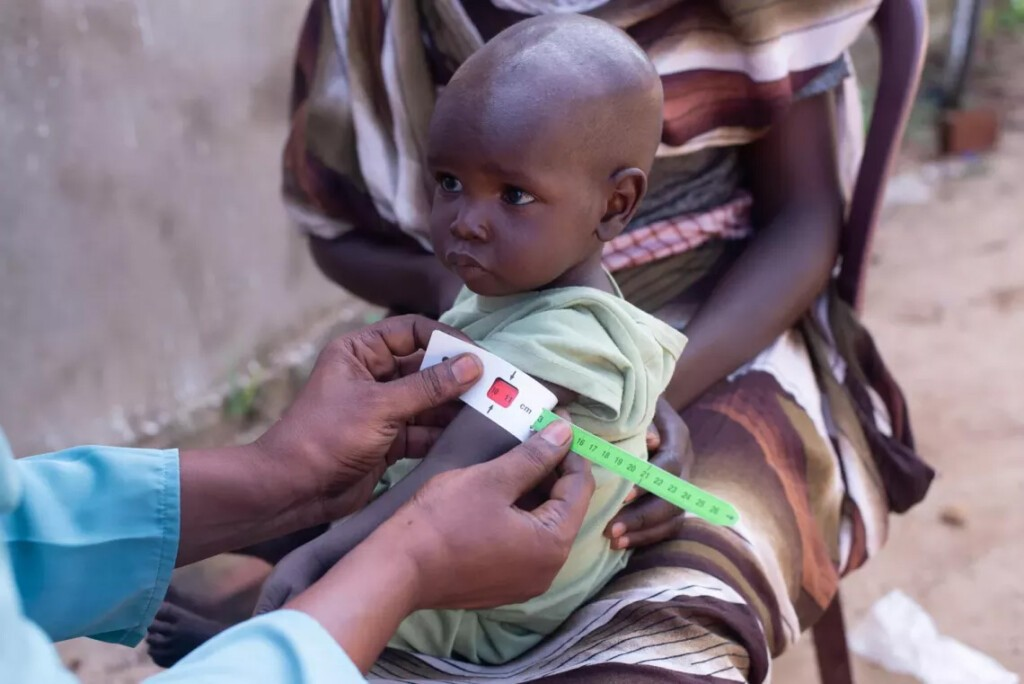
SUDAN GRAPPLING WITH SEVERE PUBLIC HEALTH CRISIS AS MULTIPLE
INFECTIOUS DISEASES SPREAD ACROSS SEVERAL REGIONS, AMID
ONGOING CONFLICT and weakened medical system. The healthcare system has been
devastated by more than 3 years of armed conflict. While the govt is working to restore
medical services, shortages of medicines, medical supplies and staff continue to
undermine urgently needed care. …outbreaks of cholera, dengue fever, malaria and other
illnesses are sweeping through many parts of the country. June, a fresh wave of cholera
began spreading in Darfur and Kordofan. According to WHO 2,900 cases reported
including 247 deaths. UN data shows repeated cholera outbreaks killed over 3,500
people since July 2024. Meanwhile, dengue fever and malaria surged in Gezira and
Blue Nile. “Recently, 680 cases of dengue fever recorded in Blue Nile State, and
continues to rise. We hope that relevant aid organizations will act immediately and
provide support,” health min.
The ongoing conflict left Sudan’s medical system under severe financial strain, with
widespread shortages of supplies and personnel. Basic public health services such as
waste collection, drainage maintenance and environmental sanitation, have been
severely disrupted. Clean drinking water is scarce in many areas, further increasing the
risk of disease transmission. “The dengue fever outbreak is spreading rapidly from Blue
Nile to other regions. Treatment is extremely expensive, requiring many medicines and
nutritional supplements. But the shortage of medicine is severe, and many people are
struggling desperately,” local resident. …Min of Health started cholera vaccination
campaigns in Darfur and Kordofan. Humanitarian groups are expanding safe drinking
water supplies and stepping up sanitation efforts. Despite the efforts, heavy rains, high
temperatures and rising mosquito populations in some regions continue to pose
challenges to disease control. Africa News
September 13
TA’SIS COALITION OVERRAN GEISAN, BLUE NILE STATE…FROM ETHIOPIAN
BORDER. Ta’sis coalition is led by RSF and includes SPLM-N alongside smaller armed
and political groups. The alliance opened an active front in Blue Nile earlier this year,
bringing RSF into a region where it had little independent presence through its
partnership with SPLM-N, which maintained forces and territory. In a video, slain army
soldiers are seen on the ground being filmed and mocked by RSF soldiers. The
Ethiopian side…has become increasingly important to the coalition’s campaign. RSF and
SPLM-N established a training camp and logistics hub in Ethiopia, providing…
infrastructure close to the battlefield. Reuters reported a large camp in Ethiopia…near
the Sudanese border, and an internal Ethiopian security document said 4,300 RSF
fighters were undergoing training.…Tuesday’s assault follows a longer buildup along
the border…. Sudan War Monitor
SUDAN’S CONFLICT BECOME A REGIONAL WAR? As fighting moved into
bordering Chad and Ethiopia, and sophisticated weapons expanded, Sudan has become
the center of conflict in which…neighboring countries intersect with…regional and intl
powers. UN Fact-Finding Mission finding weapons, military technology, fighters and
external supply networks helping prolong the conflict…linked to individuals, entities
and countries that provided RSF with weapons, equipment, logistical support and
foreign personnel….none of Sudan’s 7 neighbors was entirely removed. Intl Crisis
Group argued the war is dividing the region and increasing polarization among
surrounding countries. …Chad and So Sudan most exposed….A prolonged
conflict…could drag the region into a spiral of violence. Ctr for Research & Strategic
Studies ruled out conflict developing into a direct military confrontation between Sudan
and neighboring countries: the more likely scenario was escalation of proxy warfare
through financial and military support and mercenaries and armed groups. Khartoum’s
accusations against Chad and Ethiopia were…submitted to AU, IGAD and Sec Council,
in addition to reports bases and airports had been used in support of RSF. “This will not
happen” because a comprehensive regional war would not be welcomed by…the region.
The movement of military operations into Blue Nile State near the border is among the
most worrying. Yale Univ Humanitarian Research Lab reports…brigade-size military
support inside Ethiopian base linking it to RSF….Chad stands at the center…because of
its long border with Darfur and tribal ties spanning both sides. So Sudan may be most
exposed. Its economy depends on exporting oil through Sudanese facilities and
ports…Kenya is exposed to spillover of political polarization, financing and fighter
networks, trade disruption and damage to the role of IGAD….Uganda faces similar risks
through So Sudan….Egypt faces repercussions related to refugees, security along
southern border, Nile waters and balance with Ethiopia….Eritrea fears instability
spreading into eastern Sudan and Red Sea coast. IGAD Exec Secy said peace and
security challenges have become too interconnected for any single country or institution
to confront alone, describing Sudan as one of the clearest examples of the convergence
of military confrontation, humanitarian catastrophe, institutional fragmentation, regional
spillover and geopolitical rivalry. Asharq Al-Awsat