

by Nick Mottern
This appendix discusses the primary categories of killer drones now in use; where some have been, or are in now, in use; and their manufacturers. These are representative types; many more models, by many more manufacturers, are in use by government and non-state actors in dozens of nations.
- KAMAKAZE DRONES – One-way drones that explode on contact.
SMALL – SCALE
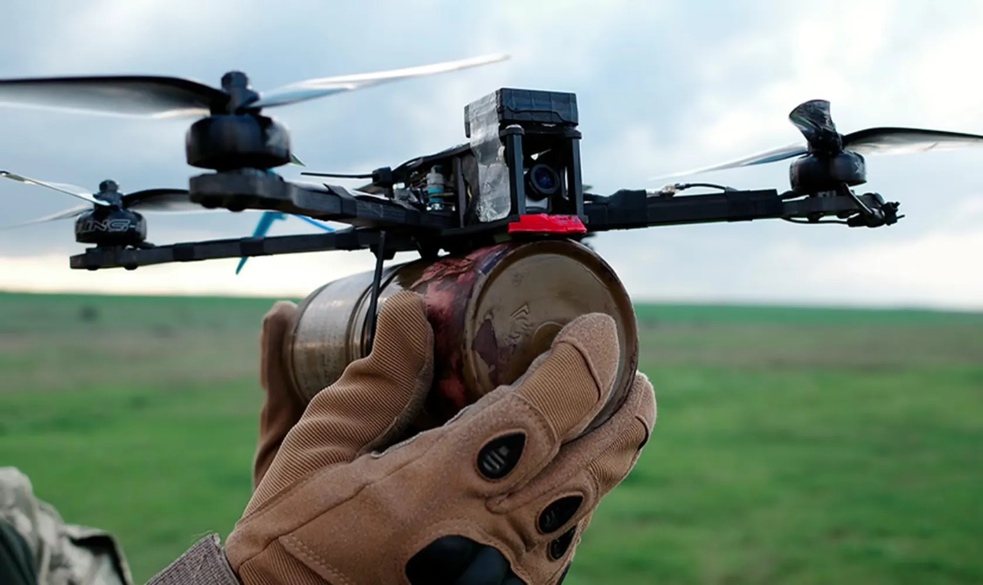
- Ukraine – Locally produced by various makers. Used in place of artillery to attack troops, artillery, rocket launchers, armor and transport vehicles.
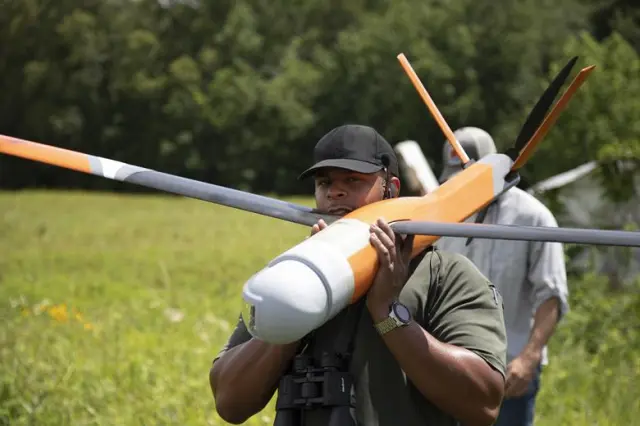
- U.S. – Altius 600 – Produced by Anduril.
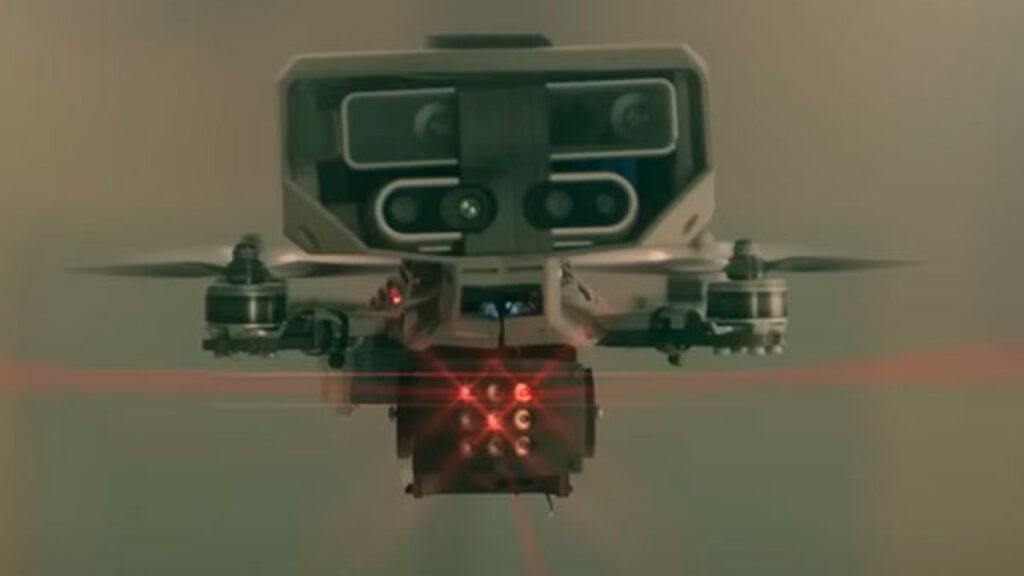
- Israel – Lanius – Elbit System – autonomous identification and tracking.
Used in Gaza, including to pursue people; enter buildings.
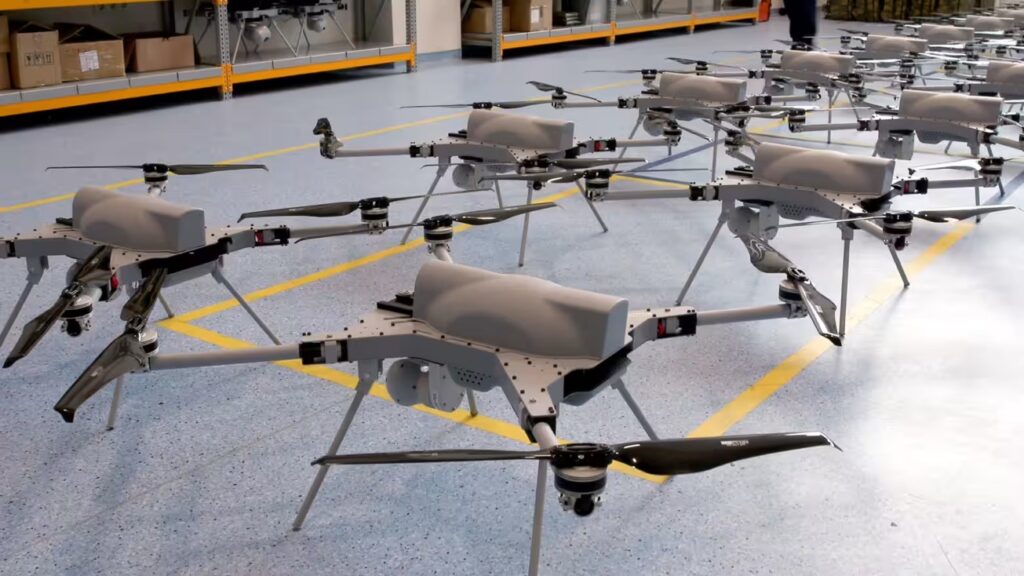
- Turkey – Kargu-2 – Autonomous AI guided anti-personnel attack drone.
Others:
Switchblade – U.S. – provided to Ukraine – AeroVironment
IAI Harop – Israel – provided to Azerbaijan – Israel Aerospace Industries.
CH-901 – China
LARGE – SCALE
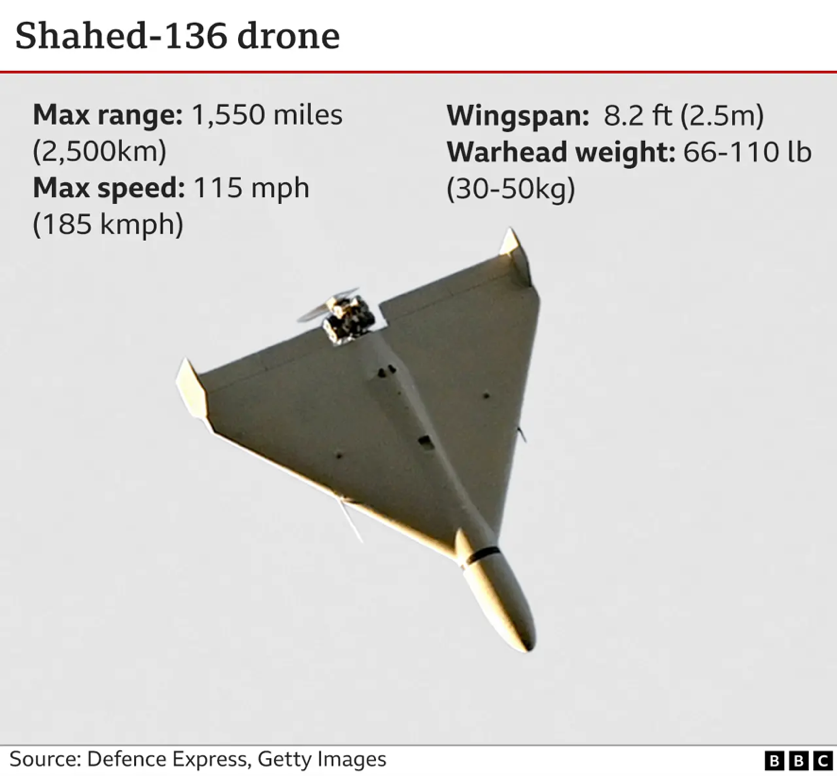
- Iran/Russia – Shahed-136. Used by Russia in the Ukraine War.
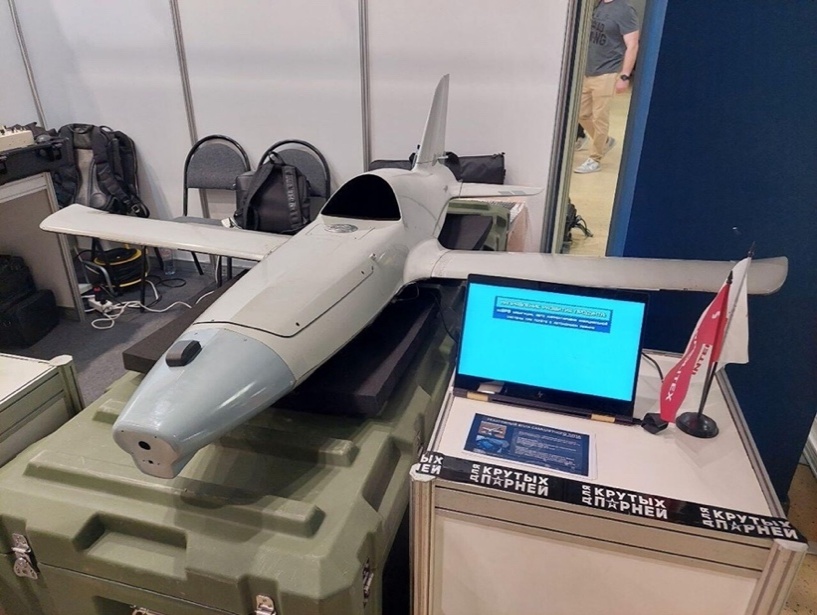
- Russia – FVP K-5 Type – Jet powered
Others: Kagem – Turkey – Produced by Bayraktar
Swadeshi – India
B. ROUND-TRIP DRONE WEAPONS PLATFORMS
SMALL – SCALE – Quadra-copters/multi-rotor
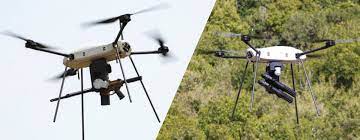
- Israel – “Bird of Prey “– equipped with automatic rifle or grenade launcher. Elbit Systems. AI target recognition and tracking. Used by Israel in Gaza and other Palestinian territories occupied by Israel.
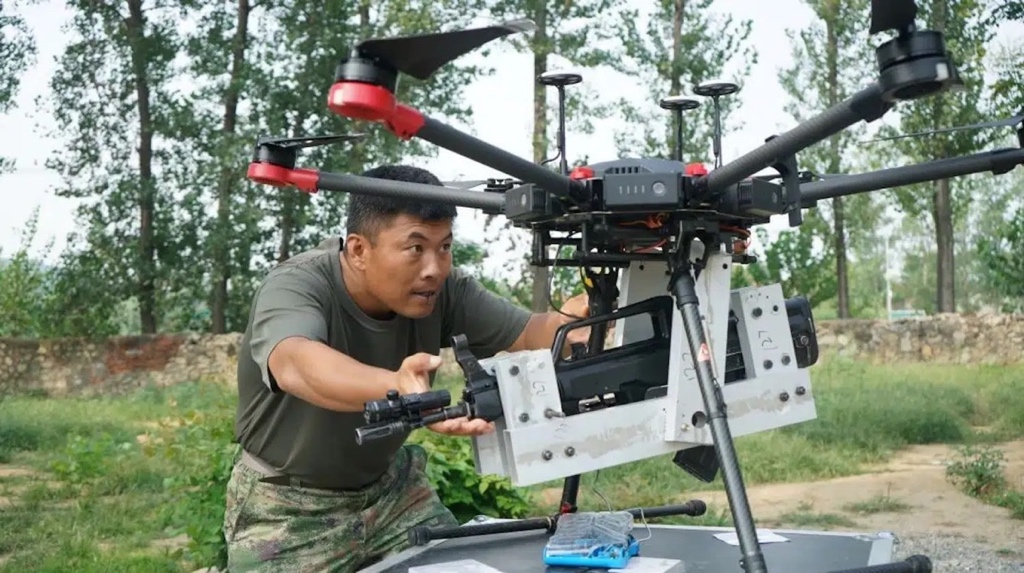
- Matrice 600 – Used by Israel in Gaza and other occupied territories. Produced by DJI, a Chinese firm, for civilian use; the drone is believed to be fitted with automatic weapons by Israel.
MEDIUM – SCALE
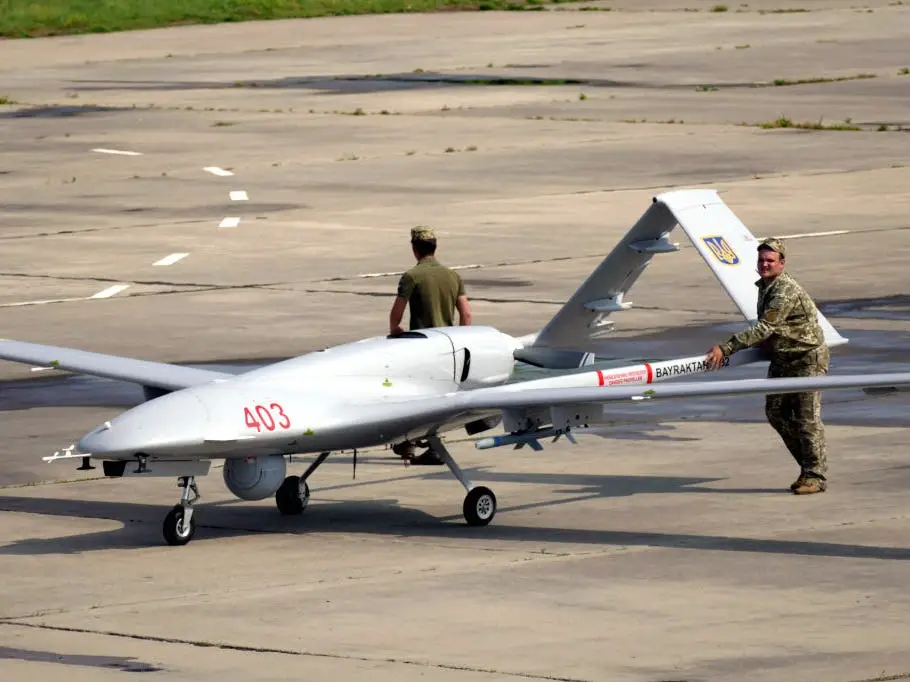
- Bayraktar TB2 – Produced in Turkey by Baykar Makina Sanayi A.S. Used by Ukraine against Russia; also used in Azerbaijan, Ethiopia, the India – Pakistan conflict, Libya and Syria.
- CH-3 China – Produced by Aerospace Science and Technology.
LARGE – SCALE
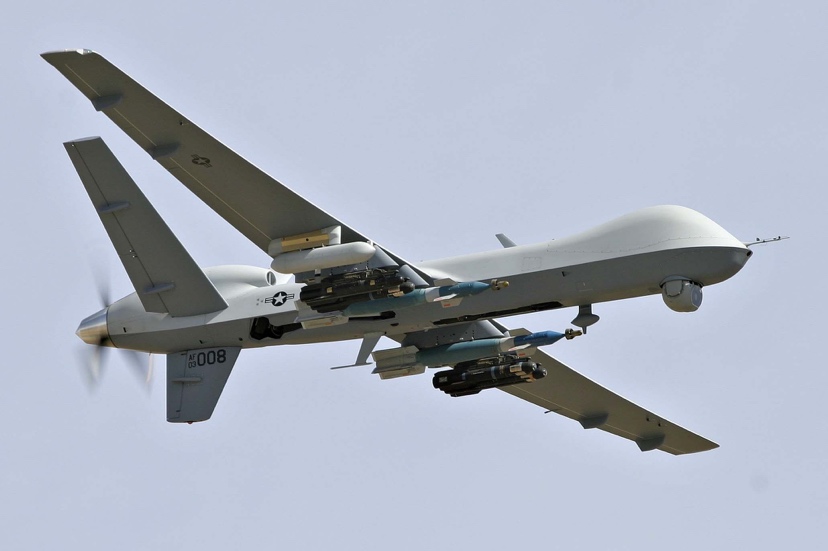
- MQ-9 Reaper – U.S. – General Atomics – Carries two 500 lb bombs and 4 Hellfire missiles. Used by the U.S. to attack in Afghanistan, Iraq, Somalia, Yemen, Pakistan, among others and to provide surveillance to assist Israeli attacks in Gaza and other Middle Eastern nations and surveillance on the U.S. border with Mexico and, possibly, Canada. Testing is underway on a system enabling one Reaper operator to control three other Reapers at once. Reaper launch and control of multiple Altius 600 kamikaze drones is also being tested.
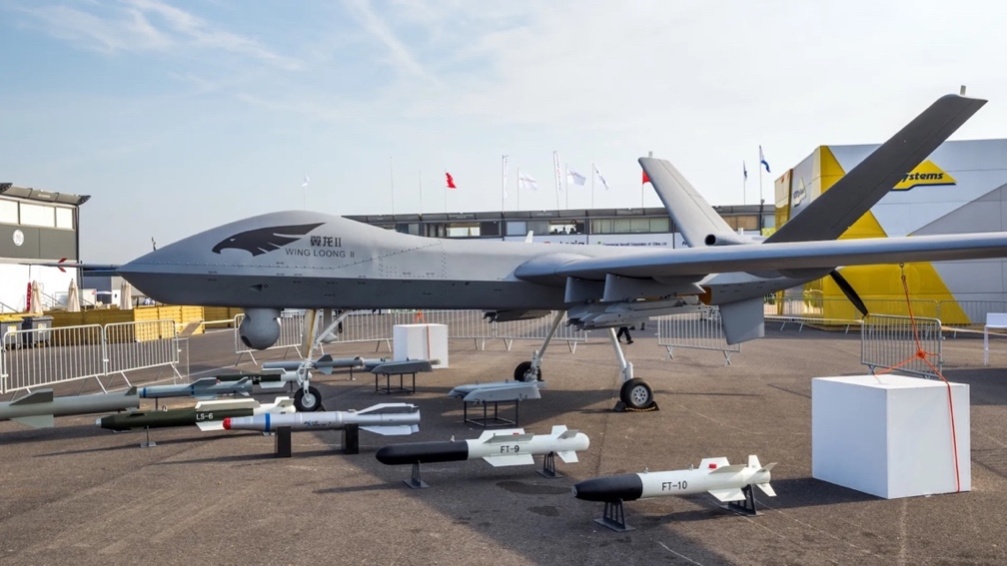
- Wing Loong II – China – Chengdu Aircraft Industry Group
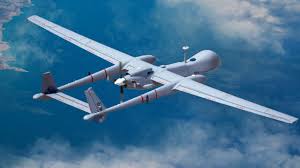
- Heron TP – Israel – Israel Aerospace Industries
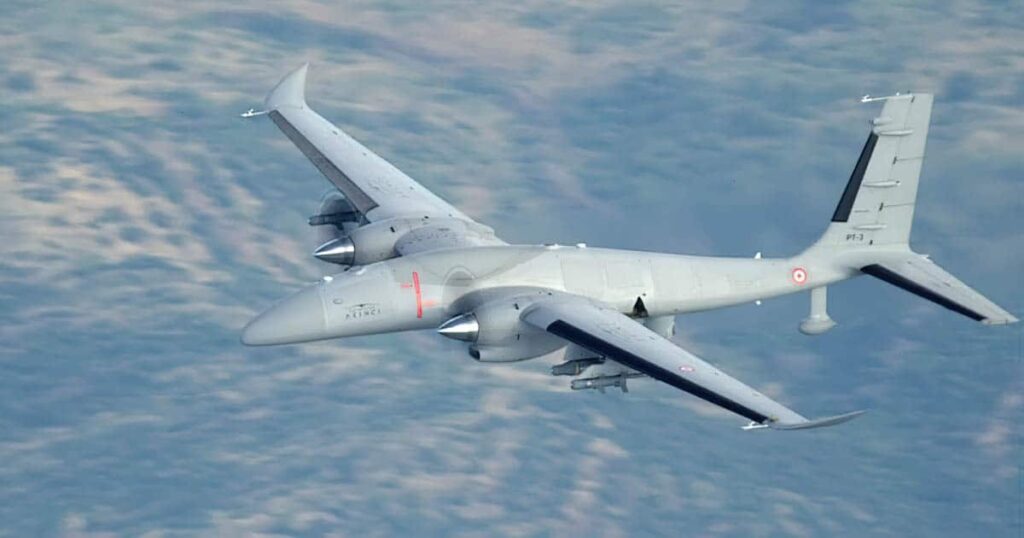
- Bayraktar Akinci – Turkey
C. DRONE SWARMING
Drone swarming involves multiple kamikaze drones being controlled by one or more human operators to maximize the scope and intensity of an attack. Drone swarming can be initiated by troops on the ground or pilots in the air. Swarming is highly dependent on AI.
D. “LOYAL WINGMAN” DRONES
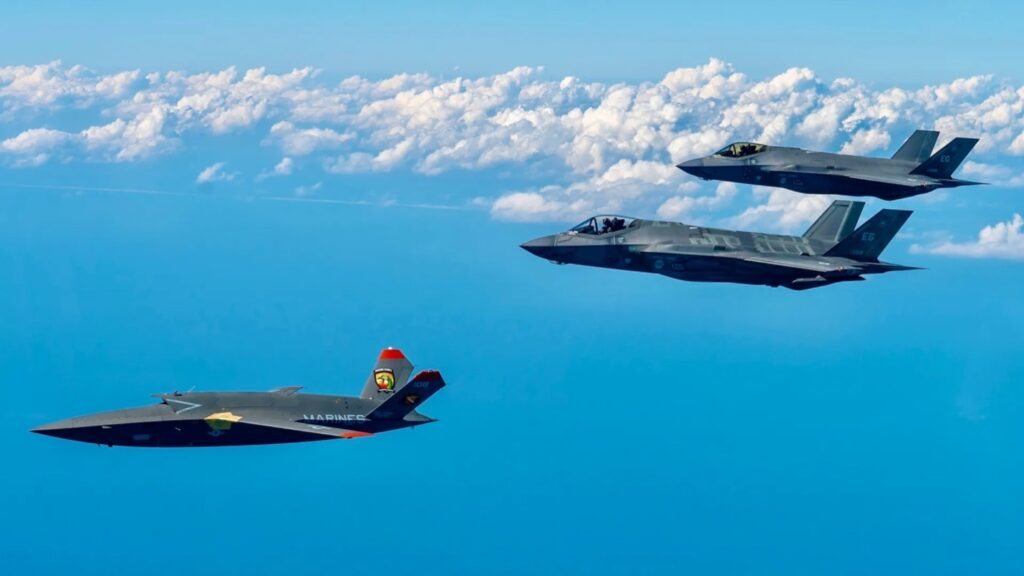
In the photo above, a Kratos drone (left) is being controlled by the pilot in one of the two F-35s in the photo. The drone can expand the surveillance vision of potential battle zones while keeping human pilots at a safer distance from anticipated air defenses. The drone can also be equipped with weapons, multiplying the killing power of human-piloted aircraft. The U.S. military is experimenting with one pilot controlling more than one drone at a time. AI will also be engaged in control of the drones and in target identification and attack. This concept is called “Loyal Wingman” by some.
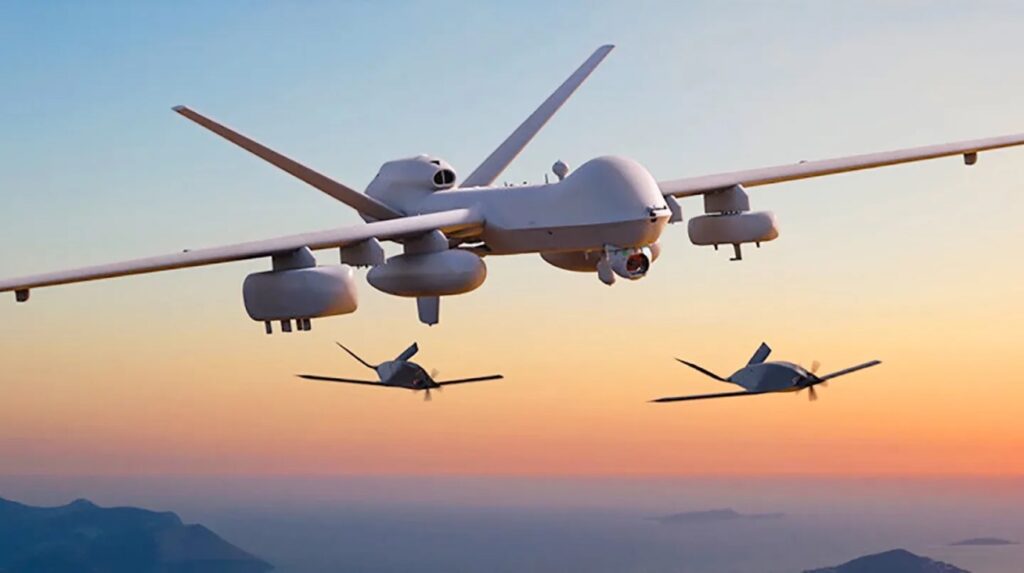
This is an artist rendering of two “loyal wingman” drones controlled by a Reaper drone operator.
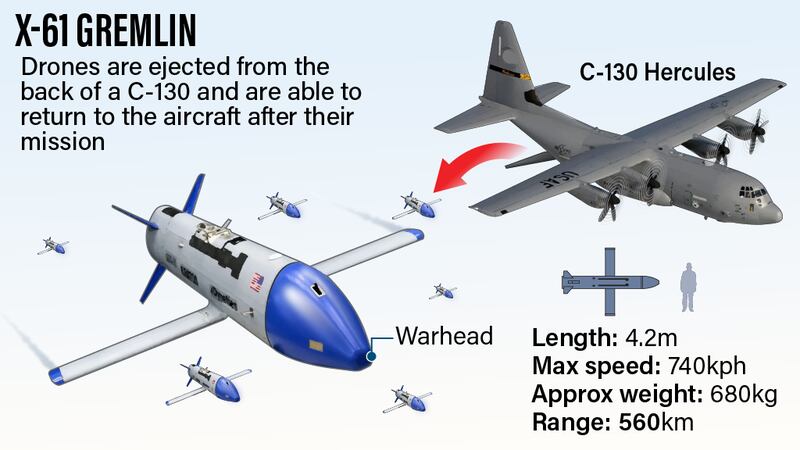
The Pentagon has also experimented with launching drones from a transport plane, with the controller on the transport, to which the drones would return after they attack.
E. THE FUTURE
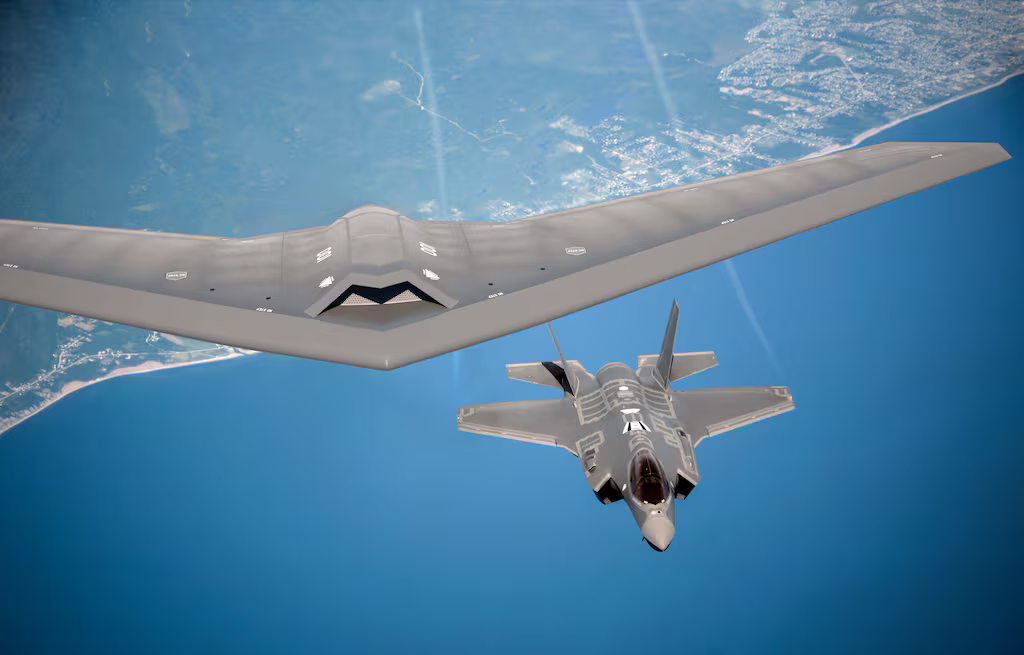
This is a rendering of a next generation drone, the larger aircraft, flying with an F-35, manned controller aircraft.
Decisions to kill in war are increasingly being guided by AI identification of targets, tracking and attack recommendations.
This is happening regardless of the known imperfections in AI facial recognition and other technological problems.
This is of particular concern with respect to use of killer drones where direct human observation of situations is technologically limited. This was tragically demonstrated in the U.S. drone killing of 10 members of the Ahmadi family in Kabul during the 2021 pullout of U.S. forces from Afghanistan, as well as thousands of other drone killings of civilians.
In 2019, the Defense Innovation Board (DIB), an independent advisory arm of the Office of the U.S. Secretary of Defense, issued a set of recommendations on “ethical principles” for the use of artificial intelligence (AI) by the U.S. Defense Department.
Reporting on the DIB recommended principles, the Arms Control Association noted:
“The final principle, governability, is of particular concern to the arms control community as it bears on commanders’ ability to prevent unintended escalation in a crisis, especially a potential nuclear crisis. The original text stated that all AI systems must be capable of detecting and avoiding unintended harm and disruption and be able to “disengage or deactivate deployed systems that demonstrate unintended escalatory or other behavior.” Some DIB members argued that this left too much to chance, so the final text was amended to read that such systems must possess a capacity ‘for human or automated disengagement or deactivation’ of systems that demonstrate escalatory behavior.”
F. COUNTERMEASURES
There is constant research into countermeasures for drone attacks, which include electronic jamming, laser beams, bullets, nets, missiles and radio waves. None have proven to be universally effective.
The most famous downings of killer drones have been achieved by Houthis in Yemen, using missiles; at least 16 MQ-9 Reaper drones have reportedly been shot down.
On April 17, 2025, the British Army announced that it had successfully tested a high-frequency radio weapon against two drone swarms, knocking down over 100 drones by disabling electronics inside them. The effective range of the weapon is .6 miles (one) kilometer, and work is being down to increase its range and breadth of coverage.
__________________