
September 15
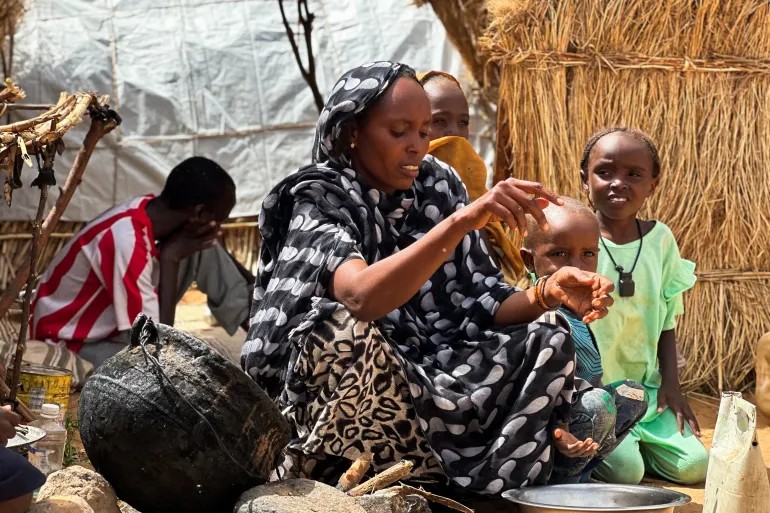
STORIES OF TORTURE, RAPE AND DISAPPEARANCE OF FAMILY MEMBERS. These are the scenes recounted by displaced civilians in N Darfur, as the RSF tighten their siege on provincial capital El-Fasher. “We gave them money but the RSF took some women away who couldn’t pay into a room. We don’t know if they were beaten or raped,” Zahra, 20-year-old mother…. “We couldn’t sleep from the sounds of men being whipped and robbed nearby. All my brothers are trapped there. There is no one to take care of me,” she said, breaking down in tears. Stories involving gender-based violence are common among siege survivors. “They raped my 2 younger daughters in front of me,” Hawa, another mother. “They fled from shame and humiliation. I haven’t seen them since.” The UN denounced the widespread use of sexual violence as a weapon of terror against women and girls – and increasingly men and boys – across the country. “…sexual violence is pervasive. It is used to humiliate, dominate, disperse, forcibly relocate and terrify an entire population” UNICEF exec dir Catherine Russell. Aid workers are also overwhelmed. Dr. Afaf Ishaq is a camp director and emergency response volunteer who fled Khartoum at the start of the war: “I’m living in a state of emotional torture and have depression from the number of cases I have to deal with, to the point where I had a mental breakdown. I direct my blame towards the intl community. How can they talk about human rights? Where is the humanity?”
260,000 CIVILIANS TRAPPED IN EL FASHER FACE IMPOSSIBLE CHOICE: STAY AND RISK STARVATION AND BOMBARDMENT, FLEE AND RISK RAPE AND KILLING. The last functioning hospital in the city has been shelled 30 times, and every day 30-40 children suffering from severe malnutrition arrive seeking help, yet the only thing available to them is animal feed. The animal feed, known locally as ambaz, is a desperate solution because it is prone to fungal contamination, especially during the rainy season. “People seem to have forgotten us,” Dr. Selik, breaking into tears as he spoke, “Oh my God, it’s a very painful story.” El-Fasher is the most nightmarish battleground in Sudan’s conflict, and for 18 months, has been under siege by paramilitary forces attempting to starve it into submission, as fighters built a 32-k earthen wall around its perimeter. UN food convoys, unable to deliver supplies for over a year, have come under attack by drones as they neared the city: a June strike hit a convoy of 15 trucks, killing 5 aid workers, and last month another strike destroyed 3 trucks and forced the rest to turn back. It remains unclear which party is responsible. Intl aid groups are providing assistance in Tawila, a small town 40 mi west, now struggling under the weight of 600,000 refugees. The journey is perilous as fighters roam the area to rob and extort fleeing civilians, and the road is lined with hastily dug graves and abandoned bodies “They are just left there,” Sylvain Penicaud, Doctors Without Borders. Hospitals have been a primary target and of 200 medical facilities in El-Fasher, only 1 remains where a handful of besieged doctors struggle to survive amid bombardment, starvation and dwindling medical supplies. The worst attack…when a RSF drone fired a missile into a crowded ward, killing 70 patients and staff. Now, doctors take shelter in trenches during airstrikes, and malnourished patients are forced to rely on animal feed…. Al Mayadeen
September 14 A
ANNUAL INFLATION ROSE TO 81%, a notable increase after a prolonged period of decline…. The rate stood at 78.39% in July. The rise marks a setback after a long period of disinflation from a peak of 422% in July 2021. The heavy weighting of food and beverages in household budgets, accounting for 52% of spending, makes consumers particularly vulnerable to price shocks. Sudan Tribune
September 13
US, SAUDI ARABIA, EGYPT AND UAE…PROPOSAL FOR 3 MONTH HUMANITARIAN TRUCE FOLLOWED BY PERMANENT CEASEFIRE. …the socalled Quad called for a 9-month transitional process following the truce to establish civilian-led governance. “There is no viable military solution to the conflict, and the status quo creates unacceptable suffering and risks to peace and security.” The Quad expressed support for unity of Sudan. RSF has been setting up its own parallel government…. The group controls most of the Darfur region, a base for that government. It is still fighting the army for the regional capital, al-Fashir, imposing a devastating siege that spread hunger throughout the city. UN Secy-Gen Guterres called for a weeklong ceasefire in al-Fashir, a call the army accepted but RSF rejected. This latest peace proposal rejected any role for the Muslim Brotherhood or affiliated groups, a common enemy of the 4 countries, a clear reference to Islamists who controlled Sudan for 30 years and staged a resurgence…in support of the army. US imposed sanctions on fin min Ibrahim, an Islamist, as well as Baraa Ibn-Malik Brigade, an Islamist militia that has fought alongside the army. The latest round of sanctions “aim to limit Islamist influence within Sudan and curtail Iran’s regional activities”. AfricaNews
September 10
SUDANESE WOMEN AT CENTRE OF ECONOMIC WAR AND SYSTEMIC EXCLUSION. Women in Sudan and across the Greater Horn of Africa face entrenched barriers to land, healthcare, financial systems and social protection, experts warned at a webinar organised by Strategic Initiative for Women in the Horn of Africa. The event, part of #ItsNotYourFault campaign, explored how exclusion from resources fuels inequality and deepens women’s vulnerability to conflict and poverty. “Sudan is facing not just a military crisis, it’s an economic war and women are at its centre,” Mariam Moussa of Shared Planet. Presenting her study: “88% of surveyed women experienced looting directly or indirectly. 1 in 3 [was] displaced more than once, cutting them off from economic opportunities. It takes their businesses, their land, their roles as community figures. The impact of war on income and livelihoods is not abstract, it’s deeply personal.”…women are keeping families alive through “survival economies of collective saving and labour, but these are largely unsupported and invisible. Resilience cannot replace justice, investment or political inclusion. Women want justice in economic, social and political forms. Women must be at every negotiation table.” Lyn Ossome, Assoc Prof Makerere Univ, criticised the gulf between progressive policies and the lived experiences of women: “Despite such extensive laws…we see such glaring disparities…in equality outcomes for women and girls…women’s bodies [are] some of the most legislated in the world” yet rights are “undermined by exploitative structures of the world of work. More women…are entering the world of work, under much worse conditions. The spirit of the law does not match the reality.” UN Development Programme: “women make up 69% of internally displaced persons, 43% of women in urban households and 50% among internally displaced people” active in women’s associations. Testimonies from SIHA’s regional hubs revealed daily struggles of women navigating war and economic collapse. Kassala: “We faced a lot of challenges in relation to women and girls’ activities, specifically regarding economic and health challenges. Women have opened their own markets and bazaars to rise to these challenges but lack sufficient spaces.” Dabanga
September 9
RSF RIVAL GOVERNMENT CLAIMED RESPONSIBILITY FOR…DRONE STRIKES ON…KHARTOUM. Tasis coalition, which declared itself the government in RSF-held territory, called the attack “precise and successful air strikes carried out by its air force” on military targets in the capital and other cities. Strikes hit a power station, weapons factory and oil refinery near Khartoum, while…an air base had also been targeted. It came as the army-backed government pressed a major reconstruction bid in the Khartoum area, after millions of people fled the city earlier in the conflict. 4 drones targeted the power station and sparked a fire.… A drone strike hit an army building in Kafuri…. RSF has in recent months been accused of widespread drone attacks in several army-controlled areas, striking critical infrastructure and causing blackouts for millions. The army-backed provisional government launched a vast reconstruction programme in Khartoum, with 600,000 people displaced earlier in the conflict heading back to their homes. The war devastated the capital and forced half its 9 million residents to flee. The New Arab
WAR AND THE LEGACY OF 3 DECADES OF DECLINE. Despite the devastation and displacement caused by the war, it is destined to end. Yet what awaits Sudan after the war is the greater challenge: rebuilding and healing wounds. In the face of limited financing opportunities under the current geopolitical climate and near-total economic collapse, …opportunities emerge with a growing urgency to mobilize domestic resources, curb their plunder and transform them into the foundation for reconstruction. The roots of Sudan’s cultural and creative crisis…run deeper than the current conflict. During 3 decades of Islamist rule (1989–2019), school curricula were corrupted and ideologically manipulated, cultural and creative institutions impoverished, and arts that once distinguished Sudan—cinema, theater, visual arts, music—repressed. Nevertheless, individual initiatives resisted. Amjad Abu Al-Alaa presented his award-winning film You Will Die at 20 which brought Sudan back to the global cinematic map, building on the legacy of Gadalla Gubara and others who produced films in Sudan since the 60s. Sudanese music reinforced the cultural presence across Africa and the Arab world. Legendary singers Mohamed Wardi and contemporaries carried Sudanese songs across Africa and the Arab world, blending Nubian, Nile Valley and Darfurian rhythms into a modern sound that resonated far beyond national borders. Their music became a voice of resistance and cultural bridge. Tayeb Salih, one of the Arab world’s greatest novelists, placed Sudan on the global literary map with Season of Migration to the North,…a classic of postcolonial literature. His writings revealed the complexities of Sudanese identity, cultural hybridity and the encounter between tradition and modernity. Ibrahim El-Salahi, one of Africa’s most celebrated modernist painters, introduced Sudanese art to global galleries. Essam Abdel Hafiz continued this legacy, experimenting with new forms and mediums while rooted in local heritage. These contributions in music, literature and visual arts demonstrate Sudan’s creative wealth lies…in a broader cultural ecosystem that can become a cornerstone of the Orange Economy and support reconstruction.
The Orange Economy, the creative economy, transforms arts, culture and creativity into a genuine economic force. Music, cinema, handicrafts, digital content and fashion become sources of income and employment…rebuilding national identity. The concept took shape…when Inter-American Develop Bank published its landmark The Orange Economy: An Infinite Opportunity. With the digital revolution of the 90s and rise of new media, the creative economy matured into a competitive sector. The idea is evolving into what is known as Orange Economy 4.0, where creativity intersects with digital technology and the 4th Industrial Revolution. Recent data shows the Orange Economy contributes $2.3 trillion annually to global GDP; supports 48.4 million jobs; 10% of GDP in US and S Korea; 5% of GDP in Kenya and Ethiopia….cultural and creative industries generate 3.1% of global GDP and employ 50 million people—1/2 women, and youth. Creative economy revenues surpassed those of telecommunications worldwide. UN declared the Intl Year of Creative Economy for Sustainable Development—clear recognition of the sector’s role in achieving decent work, innovation, reducing inequality. For the first time, the G20 Summit placed the creative economy on its agenda for post-pandemic recovery.
Sudan: A Rich Heritage, Neglected Resources. Sudan possesses one of the deepest reservoirs of cultural heritage in the region from the pyramids of Meroe and relics of Napata to the music of Darfur, Nubian tapestry and tambour songs. Yet this wealth has long been marginalized due to institutional neglect and minimal cultural spending. The latest war deepened the wounds: millions of students were cut off from education, theaters and cultural centers destroyed, and most artistic activities suspended. UNESCO reports 70% of educational and cultural institutions…affected by the conflict. The Orange Economy is not merely a new economic sector but a national project for reshaping Sudanese identity. Folk music, university, theater, documentary films and art exhibitions can become bridges of unity and reconciliation. In a country where youth constitute 60% of the population, the potential of creativity cannot be overlooked. The Orange Economy offers Sudan a rare opportunity to rebuild on new foundations of concrete and roads…ideas, imagination and identity. Creativity is no longer a cultural luxury after war; it is a cornerstone for reviving Sudan and shaping its future. Al Taghyeer
September 8
UNIFYING CIVILIAN VOICES, HALTING THE WAR AND DELIVERING RELIEF ARE URGENT PRIORITY. “Sudan has turned into a failed, forgotten and neglected state,” laments Dr Suleiman Baldo, Exec Dir of Sudan Transparency & Policy Tracker. Dr Baldo describes the situation is “nothing less than calamitous…the fighting destroyed all aspects of life, transformed an entire nation into internally displaced people, refugees, starving and struggling for survival. Both sides of the war insist on continuing and winning by defeating or surrendering. The intl community is almost completely absent from Sudan, which, amid all these atrocities and gross violations of human rights, has turned into a failed, forgotten, neglected state. There is no military progress in the war that has now spread to western Sudan, but high losses among fighters and civilians due to…both warring parties to attacking civilians with aircraft by SAF, and artillery shelling and heavy weapons by RSF against citizens and their gathering places “with a narrow and criminal mentality in the concept of collective punishment of civilians in areas controlled by the other party.” Baldo stresses that the attack on civilian targets means that every means of livelihood has become a military target. Baldo describes the siege by the RSF on El Fasher for 500 days as “a tragedy that turned El Fasher into a city of famine, with daily deaths of children from malnutrition, and those who did not die of hunger died from bombardments that rain down on the city and the camps for the displaced daily.” …leaving El Fasher has become “difficult and dangerous today, and anyone who tries to leave at a young age is subject to liquidation on charges of belonging to the army. He says the rush by the ‘Founding Government’, which chose Nyala as capital, to appoint a representative to the UN aims to gain intl recognition, “but that will not happen. …dividing Sudan into 2 areas of influence, each with its own administration and economy, and without legitimacy, will weaken Sudan, its prestige and intl reputation.” It will lead to accelerating the solution and stopping the war through forming an alliance to establish his presidential council and appoint a PM, which is preparing for upcoming negotiations with the guise of a government parallel to the de facto government in Pt Sudan. “In such a case, the solution may be accelerated.” …the 2nd scenario is division of the country, a real and present danger, given the speeches issued by both sides about moving forward with fighting and achieving a military victory over the other side and completely destroying it. “…neither side has the military ability to defeat the other on the battlefield and remove it from the negotiations in defeat.” Sudan “has become internationally neglected and is not mentioned by the media or governments in their interaction with major world events.” The intl community, unfortunately, has not given priority to the situation in Sudan, “It has become exhausted from continuous wars and unstable situation for decades.” There had been an improvement in Sudan’s image in the eyes of the intl community earlier “with the overthrow of Bashir’s rule and it began to recover, but all of that quickly evaporated and disappeared with the Oct coup, and sank to the depths of being crushed and is now being treated like a failed and internationally neglected state.”
The Quartet, US, Saudi Arabia, Egypt and UAE, is an attempt by the Trump administration to reach a ceasefire linked to delivery of humanitarian aid and protection of civilians. However, this quartet attempt was blocked by a solid rock related to the disagreements between the supporters of the warring parties, Egypt and UAE. … America, when it saw Egypt and UAE were unable to overcome extremism in supporting the warring parties, as Egypt fully supports SAF militarily and diplomatically, while UAE fully supports RSF with weapons and mercenaries, America decided to…communicate directly with the warring parties. Trump’s advisor for African affairs, Boulos, met with Burhan in Switzerland recently. AU unfortunately removed itself from role of neutral mediator by recently standing and siding with the de facto government in Pt Sudan. UN…is completely absent from the scene and marginalised itself, rendering it non-existent, while the European effort stagnated in place, after failure of the London Conference…due to the confrontation that occurred between Egypt and UAE, the main supporters of the warring parties. …the conflict between the countries that thwarted the London Conference “almost failed the Quartet Initiative had it not been for America’s confrontation and unilateral contact with the warring parties. …what is urgently required now is a genuine will from SAF and RSF to stop the war, despite their clear insistence on military victory as the only solution to the war, despite the fact that neither side has the capacity to completely defeat the other…. this insistence, confirms that neither side has the political will…to stop the war.”
The failure of regional mediation and loss of credibility as a result of the bias shown by AU makes the Quartet Initiative the only one…that can be relied upon to…stopping the fighting. “What is required now is to escalate and intensify pressure and sanctions to force both parties to come to the negotiating table and immediately agree to a ceasefire and allow humanitarian aid to reach millions of affected people.” Despite the war’s destruction of Sudan’s economy, trade, industry, and other resources, both warring parties….continued to mobilise armies and militias and bring in more modern and diverse weapons, drones and even aircraft every day. Baldo attributed this to the large availability of gold….dominated by both warring parties, as they control production and trade and smuggling channels, with gold production going to the Emirates and revenues going to the war efforts. Sudan’s other traditional resources, gum arabic, livestock and oilseeds, whose export revenues are used to support the war efforts by controlling trade, export routes and revenues. Baldo pointed to recent involvement of oil in the war….the recent attack by RSF on oil-producing areas in Heglig, W Kordofan, with the aim of preventing the flow of So Sudanese oil through pipelines to the Red Sea for export. This was intended to prevent the government in Pt Sudan benefiting from export revenues. stopping the flow of So Sudanese oil…. what is required today, at this moment, is for civilian forces to unify their voices to demand peace and an end to the war in Sudan. “They must unite and escalate in calling for an immediate ceasefire and delivery of aid to save millions of Sudanese from starvation. A ceasefire is an urgent need, negotiated by regional or international mediators.” He refers to American action, with a degree of coordination with Britain and EU, and notifying AU to be aware of the situation. Baldo warns against relying on the American initiative and placing all hopes and expectations on it. America has problems under the Trump administration, represented by its weakening of the State Dept, complete withdrawal from international aid, and dispersion of all accumulated administrative expertise regarding conflicts in the world and Sudan in particular. “Civilians must be present during the cessation of hostilities and not leave the matter to the military alone. Let us remember that when we left matters to the military, the result was this destructive war that we are witnessing today. We can no longer trust the military, nor their wisdom. Civilians must have the loudest and most powerful voice in this matter.” Dabanga
September 6
RSF…KILLING, KIDNAPPING AND FORCIBLY DRAWING BLOOD FROM CIVILIANS TRYING TO FLEE…El Fasher. The attacks on the road to Tawila have led to multiple deaths. Tawila, the destination for most people fleeing the violence, shelters 500,000 displaced people facing severe humanitarian conditions. Survivors…said crimes included murder, arbitrary detention and drawing blood from captives without medical precautions. 3 survivors…said 10 civilians died shortly after having their blood taken. Younis said an RSF unit stopped his group….fighters beat them before forcing 6 young men into an ambulance, where medics drew their blood. 3 of the men later died from complications. 2 other survivors confirmed the practice, blaming it for the deaths of 7 people Aug 1-30. RSF and allies killed 15 civilians on the road in 2 weeks, leaving dozens of bodies unburied. RSF set up field hospitals in Zamzam Camp, converted into a military barracks, to take blood from healthy young men to treat its own wounded fighters. An emergency team documented the bodies of nearly 90 people executed on the El Fasher-Tawila road, which residents now call the “road of death.” RSF controls all exit routes from El Fasher and 60% of those who tried to flee recently were killed on suspicion of supporting the army. Those killed included people trying to return to the city to rescue relatives, whom the RSF accused of smuggling goods. Sudan Tribune
6 KILLED AND 20 FEARED TRAPPED AFTER GOLD MINE COLLAPSED IN NORTH SUDAN. The accident occurred in Um Aud…River Nile State. Since fighting erupted in April 2023, both sides have largely financed their war efforts through the country’s gold industry. Official and NGO sources say nearly all Sudan’s gold trade is funneled through UAE, …widely accused of supplying arms to the RSF. Despite the conflict, the army-backed government announced record gold production of 64 tons for 2024. Sudan…remains one of the continent’s top gold producers. However, most gold is extracted through artisanal and small-scale mining operations, which lack proper safety measures and often use hazardous chemicals, resulting in severe health risks for miners and nearby communities. Mining experts say much of the gold produced by both warring factions is smuggled through Chad, So Sudan and Egypt before reaching UAE, the world’s 2nd largest gold exporter. Al Arabiya
CHEMICAL POLLUTION IN KHARTOUM….As an increasing number of people are returning to Khartoum….Fed Min of Health took pains to deny any chemical or radioactive contamination occurred in Khartoum. The controversy returned after a statement attributed to Syndicate of Forensic Doctors that Khartoum is uninhabitable due to chemical pollution. However, the Preliminary Comm of Doctors’ Syndicate disavowed the statement, stressing the Syndicate dissolved years ago…Social media
influencers, who support the army, circulated information…stating the use of gas, without referring to the sources. In June, US imposed sanctions on the military for use of chemical weapons. NYT reported in Jan the military used chemical weapons at least twice in remote areas. …the weapon used appeared to be chlorine gas, which can cause severe respiratory pain and even death…. Oct 2024, Secy Gen of Sup Council for Environment & Natural Resources, Dr Mona Ali Mohamed, said Khartoum State was exposed to chemical pollution due to RSF striking industrial zones…. Khartoum and its neighbors were exposed to very large chemical pollution as a result of targeting, and witnessed acid rains monitored through satellite aerial images due to RSF targeting 5+ industrial zones: 3 in Bahri, Omdurman and Khartoum, Iyad Ind and Yarmouk Ind Estate. She referred to a report…to determine the environmental effects of this war, noting the great environmental crime committed against the Sudanese people overlooked by the world. The Fed Min of Health said data from competent national agencies concluded there is no scientific evidence to support claims of chemical or radioactive contamination in Khartoum,… Consultant Pharmacist and Environmental Expert at Delta Center for Scientific & Environmental Studies & Research, Dr Taha Al-Taher Badawi, said talking about pollution, especially in agricultural areas, requires a double scientific effort. The effects of pollution are represented in a range of phenomena: fires, explosions, elements emitted by gunpowder, heavy chemical elements, shrapnel and unexploded projectiles, destruction of ecosystems, pollution of water, air and soil, destruction of ecosystems and loss of biodiversity, effects on vegetation and continental cover, destruction of civil, industrial and residential infrastructure, and spread of corpses. Dabanga
September 5
RSF COMMITTED NUMEROUS CRIMES AGAINST HUMANITY, IN PARTICULAR ITS SIEGE OF EL FASHER…. UN fact-finding mission found evidence of war crimes by…the regular army and RSF, which has killed tens of thousands of people: “Our findings leave no room for doubt: civilians are paying the highest price in this war,” mission chief Mohamed Chande Othman. …RSF “committed crimes against humanity, notably murder, torture, forced displacement, persecution on ethnic grounds, and other inhumane acts”. The paramilitaries, who lost much of central Sudan including Khartoum earlier this year, are attempting to consolidate power in the west by seizing the last major city held by the army in Darfur: El-Fasher. …investigators highlighted the RFS’s brutality in that siege, where 300,000 people live and which has effectively been sealed off. “RSF, during the siege of El-Fasher and surrounding areas, committed myriad crimes against humanity, including murder, torture, enslavement, rape, sexual slavery, sexual violence.” It pointed to forced displacement and persecution on ethnic, gender and political grounds. “RSF and its allies used starvation as a method of warfare and deprived civilians of objects indispensable to their survival, including food, medicine and relief supplies – which may amount to the crime against humanity of extermination.”
The investigators were not granted access to Sudan, but travelled to surrounding countries, reviewed documents and videos and conducted 250 interviews with victims and others. The report, which will be presented to the UN Human Rights Council next week, determined both sides…arbitrarily arrested, detained and tortured civilians because of their ethnicity, political opinion, profession or alleged collaboration with the other side. RSF detention centres were described in particularly bleak terms by survivors, who compared them to “slaughterhouses” where detainees were sometimes beaten to death and summarily executed. The report accused the paramilitary of committing rampant sexual violence, including rape, gang rape, forced marriage and sexual slavery: “Women and girls from non-Arab communities, some as young as 12, were particularly targeted.” The fact-finding mission demanded intl action to bring perpetrators to justice. Othman said…both sides “deliberately targeted civilians through attacks, summary executions, arbitrary detention, torture and inhuman treatment in detention facilities. These are not accidental tragedies but deliberate strategies amounting to war crimes.” The New Arab
89% OF FARMERS HAVE SEEN AGRICULTURAL OUTPUT DECLINE, ½ ARE UNABLE TO HARVEST due to insecurity, CARE found. The report surveyed 492 smallholder farmers in Darfur and Cordovan revealed the proportion of those cultivating small plots of land has doubled, and ¾ lost produce…due to theft and poor storage: “We lost the entire harvest last season due to insecurity. Armed conflict and violence made it too dangerous to access our fields”. The crisis has a disproportionate impact on women, 87.3% of respondents. This high number reflects a trend of men migrating for work or staying home to avoid association with armed groups. 88.2% identified a lack of financial resources a major barrier for women farmers. Even for farmers who manage a harvest, access to markets has been decimated. 5% reported disruptions, 17.5% having no market access at all due to dangerous roads and high transport costs. “Even when we harvest, there’s nowhere safe to store everything, as it either rots or gets stolen,” a woman in S Kordofan said. The agricultural collapse is leading to severe hunger. “This year, we ate only once a day during the rainy season because there simply wasn’t enough food.” The study found men were slightly more likely than women to cope by reducing their number of meals, while women were more likely to reduce the nutritional diversity of their food. The report suggests this is because cultural norms often mean women eat last and least in the household. CARE urged donors to treat agricultural support as lifesaving assistance and directly fund programs led by women to help restore Sudan’s broken food systems. Sudan Tribune
CRIPPLING SIEGE ON N DARFUR CAPITAL EL-FASHER, 260,000 PEOPLE LANGUISHING AND WITHERING AWAY FROM HUNGER. Many women, children and some men have been able to escape to nearby Tawila, 45 mi east, which is dealing with its own catastrophic cholera epidemic. On the road, those escaping are forced to pay…$300 to RSF fighters and hand over their jewellery and belongings. However, men have frequently been detained and killed after being suspected by RSF of being fighters, while women and children have been abducted. These risks compelled hundreds of thousands to stay in el-Fasher until RSF is repelled or the city falls. “If the militia RSF didn’t target civilians, then all the civilians would have left el-Fasher by now,” Imam told Al Jazeera. Some are on the front lines, while others are trying to gather enough food and supplies to feed their starving communities or document atrocities for the outside world. Imam is the oldest of several brothers and sisters, the youngest just 3 years old. He fears they could all be raped or killed if RSF reaches them. “I’m the oldest sibling…so I have a responsibility to protect my family”. According to Yale Humanitarian Research Lab, RSF is making it nearly impossible for people to escape. …RSF built 19 mi of desert berms around el-Fasher. “RSF is creating a literal kill box around El-Fasher”. Mohamed Zakaria, journalist, said the berms stand 3m high…nobody is able to climb the walls unless they are pulled up, and all other roads out of el-Fasher have been blocked. Civilians in Abu Shouk displacement camp are deciding whether to stay and face a potential RSF attack, or escape, knowing the dangers. 80% of the camp’s 190,000 people fled either to el-Fasher and surrounding villages or Tawila. UN accused RSF of summarily executing 16 men from Abu Shouk, as part of a wider attack that killed dozens. The ongoing assault follows RSF’s attack on Zamzam Camp in April, which uprooted ½ million people and killed more than a thousand. “…there is artillery shelling…from every direction…they are carrying out incursions and kidnapping campaigns. The same scenario that occurred in Zamzam is occurring in Abu Shouk”. RSF’s chokehold siege on el-Fasher is exacerbating the manmade starvation in the city. According to the UN, food stocks are almost entirely depleted and food convoys have recently been attacked by drones. Families typically survive on tree leaves or animal feed known as ambaz, produced by pressing the residue of peanut and sunflower seeds into a slurry for consumption. Yet even ambaz is beginning to run out, warns Magdy Yousef, Emergency Response Rooms. ERRs are trying to purchase food, run community kitchens and provide medicine to some of the most vulnerable people. At best, most people are surviving on a single meal a day: “There are only 5 community kitchens remaining in el-Fasher…each provides a meal to just 3,000 people. We have reached the point of famine.” Yousef said some families, children, women and the elderly are risking their lives to reach Tawila every day. He accepted that it’s too dangerous for men of fighting age, such as himself, to try to escape: “RSF is targeting all young men leaving the city, so most are staying put, despite starvation and hunger. Maybe their families can try to leave, but it’s far too dangerous for young men.” Some, like Imam, are on the front lines, while others are trying to gather enough food and supplies to feed their starving communities or document atrocities for the outside world.
September 1
SHUTDOWN HEGLIG OIL FACILITY FOLLOWING DRONE ATTACKS BLAMED ON RSF….Heglig, along Sudan’s southern border, houses the main processing facility for So Sudanese oil….The 2023 outbreak of the war…disrupted the flow of So Sudanese oil to Sudan, which before the conflict had been receiving 100,000-150,000 bbls of oil per day. Sudan instructed companies operating in the area to evacuate.… Al Arabiya
August 31
WATERS OF BLUE NILE RECEDED TO UNPRECEDENTED LEVELS, DISRUPTING ANNUAL FLOOD SEASON…when heavy rains from the Ethiopian plateau normally send torrents downstream. This water recession is caused by filling Ethiopia’s Grand Ethiopian Renaissance Dam….Sudanese researcher Ahmed Abdualah El Sheikh cautioned the dam could heighten risks during exceptional floods. He argued if gates are suddenly opened, downstream populations could face catastrophic flooding….Sudan’s northern deserts rely on annual floods to deposit fertile silt: “Without this renewal, fertility declines and desertification accelerates,” Sudanile. The water resources expert warned the absence of a binding legal framework among Nile Basin countries remains a major obstacle. Radio Dabanga reported GERD’s 4th filling in 2023, and the backlash that arose. Dr Ahmed El Mufti, intl water expert and former member of Sudan’s GERD negotiations team, warned the dam’s potential dangers are limitless…. a “water bomb” that could submerge Sudan if it were to collapse and cautioned that Ethiopia could wield the dam for political purposes. …under the 2015 Declaration of Principles, Ethiopia is not obliged to pay compensation for damages, having immunised itself from legal action. …Saleh Hamad Omer echoed that Nile Basin countries must cooperate or face crises: “Without joint management, the risk of conflict will only rise.” 7 CIVILIANS KILLED AND 71 INJURED IN ARTILLERY SHELLING BY RSF IN EL FASHER. Sudanese Doctors Network denounced the civilian killings as a massacre, warning that the situation in the city amounts to “an integrated genocide, involving bombardment, siege, and systematic starvation of residents.” It held RSF responsible for the attack and called on the intl community and local authorities to take “urgent and immediate action to halt the shelling….
August 30
FAMILIES ACROSS SUDAN AND IN DIASPORA PRESSING FOR TRUTH AND JUSTICE ABOUT LOVED ONES WHO VANISHED IN CUSTODY OR AT CHECKPOINTS. UN experts warn that enforced disappearances and unmarked graves are escalating, citing discoveries such as a mass grave near Khartoum containing 550 bodies….these findings highlight the depth of impunity and risk erasing entire communities from Sudan’s future. Enforced disappearances long predate the war, part of a broader system of repression under successive governments. Under Nimeiri (1969– 85), security services detained protesters in secret, often without trial. Amnesty Intl and Human Rights Watch documented incommunicado detention, torture and disappearances, with families left in the dark about their loved ones. The practice expanded dramatically under Al Bashir (1989–2019). His intelligence apparatus operated notorious ghost houses, underground detention centres where political opponents were tortured and disappeared. AI described secret sites designed to break opposition through fear, while students and activists continue Since April 2023, enforced disappearances escalated to an unprecedented scale. Civilians abducted at RSF checkpoints, detained in undisclosed SAF facilities, taken by allied militias. 2024 dozens of young men taken at checkpoints have never been seen again. African Centre for Justice & Peace Studies counted 1,100 cases of enforced disappearance…since the war began, though civil groups estimate the true figure to be far higher. UN Comm on Enforced Disappearances found 50,000 people disappeared, including hundreds of women and girls, with 88% of female cases still unresolved. Mass and unmarked graves became a hallmark of the Darfur atrocities from 2003. Janjaweed militias targeted non-Arab communities Fur, Masalit and Zaghawa. HRW’s Darfur Destroyed documented massacres, forced displacement and hurried burials meant to hide evidence. ICC’s case relied heavily on mass grave evidence. Survivors reported militias blocked families from retrieving bodies, forcing nameless burials, turning erasure into part of the crime itself. The tactic resurfaced during the Khartoum sit in when dozens of protesters’ bodies were dumped into the Nile. For families of the disappeared, the absence of graves deepened the trauma. UN Human Rights Office confirmed 87 people buried in a mass grave near El Geneina after RSF attacks on the Masalit. 2023 HRW reported the massacre of 2,000 civilians in Ardamata, W Darfur, with survivors forced to dig graves under threat. Reuters satellite investigation 2024 identified 14 rapidly expanding cemeteries across Darfur….Civil society demanded mass graves be unearthed and victims identified to preserve evidence. 2021…repeated calls from activists and human rights lawyers: “Every unmarked grave is an open case file.” ICC indicted al-Bashir for genocide and crimes against humanity relied on mass grave evidence to build its case. Yet survivors report militias blocked families from retrieving bodies, forcing them to bury victims in pits. This became part of the machinery of genocide: killing people and erasing memory. UN experts urged stronger intl action: “The disappearance of thousands…is not only a crime against individuals but an assault on entire communities.” Civil society launched initiatives like Where Did You Take Them? to document cases and demand answers. HRW called on Human Rights Council to extend the UN Fact-Finding Mission’s mandate for 2 years to allow evidence to be preserved and cases prepared. For families still searching for missing relatives, displacement has made the quest even harder. UN reminds states of their obligation to search for the disappeared, prosecute perpetrators and guarantee non-recurrence. UN Secy-Gen Guterres: “The pain of not knowing the fate of a loved one is unbearable.
Enforced disappearance is a tool of terror and repression.” For Sudan, that means opening mass graves, publishing lists of the detained and supporting independent investigations. Families insist truth and justice are not optional, they are the foundation for future peace. Dabanga RSF HEMEDTI SWORN IN AS HEAD OF PARALLEL GOVERNMENT….pushing the country a step closer toward de facto partition. One of Sudan’s largest cities situated in the Darfur region, Nyala served as de facto capital for RSF, which has appointed a PM and presidential council. The city was targeted with drone attacks Sat. Although RSF controls most of Darfur, it has been fighting the army…fiercely for al-Fashir, the historic capital. It besieged hundreds of thousands of civilians for 500 days, forcing them to consume animal feed to survive. UNICEF said…1,000 children had been killed or maimed by air, artillery and ground attacks. The vast Kordofan region that lies between the 2 forces’ strongholds remains the site of fighting and attacks on small villages. Al Arabiya
August 29
RSF TRAPS EL FASHER INSIDE NETWORK OF EARTH WALLS. After 500 days of siege, a ‘literal kill box’ has been constructed around the capital of N Darfur to prevent anyone from escaping. Yale School of Pub Health’s Humanitarian Research Lab identified 31k of berms that steadily walled in the capital. Fikra estimates 750,000 civilians trapped in the city. 260,000 civilians including 130,000 children have no way out of Abu Shouk Camp.…the level of suffering civilians were experiencing “is unmatched anywhere in the world today except potentially Gaza”. Famine conditions were confirmed…over a year ago and desperate families have been consuming animal fodder and food waste to survive. “The fact that there is anyone left is both a tragedy and a miracle.” The construction of the berms is a sign that an already brutal siege is intensifying. “These berms will create physical boundaries to prevent smuggling food and medicine into el-Fasher or people out….In the event of mass civilian exodus, RSF can easily kill civilians. RSF’s pattern of limiting who can escape, including harassment, robbery, abductions and…extrajudicial execution continues.” RSF has been accused of carrying out a genocide against Black civilians in Darfur. The paramilitary controls almost all the vast western region of Sudan, with el-Fasher a notable exception. RSF built the berms in segments and is continuing to construct more, trapping civilians in elFasher…. Amgad Fareid Eltayeb, Fikra, told MEE the “intl community inaction” was “disgraceful. We cannot accept normalising the RSF taking citizens of el-Fasher hostage…UAE and RSF should be pressured to end the siege and allow humanitarian aid delivery, or face real consequences.” Kate Ferguson, Protection Approaches: “The story of el-Fasher and RSF’s wider strategic assault on civilian areas across N Darfur has become one of collective intl failure to protect people from the most heinous crimes.” Ferguson contrasted this failure with intl response to the mass killings by Janjaweed
militias…in Darfur in the 1st decade of the 21st C: “20 years ago these same perpetrators sought to destroy the same populations. Then, the world revolted and promised to ‘save Darfur’…Today, we see a collective lack of ambition, solidarity and action for Darfur in the face of constant warning, escalation and atrocity.” Middle East Eye HEAVY FIGHTING…IN EL FASHER…MAJOR ESCALATION drew condemnation from UN chief. RSF has been attempting to seize control of the army’s last stronghold in the vast Darfur region. In 2 weeks, the group expanded military operations, reaching strategic positions held by the army and allied armed movements. RSF has been… making rapid advances…to capture the city’s 2nd-largest market and key sites. RSF’s objective…is to capture El Fasher’s airport and neutralize infantry artillery, which has been crucial in repelling RSF advances….dozens of civilians were killed and many more injured in one of the city’s deadliest days. Both the military hosp and makeshift Southern Hosp received a large number of dead and wounded amid a severe shortage of life-saving medicines and staff. Southern Hosp’s new location was heavily shelled last week, destroying its emergency dept and injuring 6 medical staff. UN Secy-Gen Guterres is deeply alarmed by ongoing attacks in El Fasher, where hundreds of thousands of civilians have been trapped for more than 500 days. Recent weeks have seen near-constant shelling and deadly raids on Abu Shouk displacement camp, which faced famine since Dec 2024. UN documented 125 civilian deaths in El Fasher since Aug 11….RSF refused to allow humanitarian access, tightening its siege with an earth barrier to control all routes into and out of the city. Sudan Tribune 2.5k DEAD AS CHOLERA, DENGUE FEVER, MEASLES, HEATSTROKE PEAK. 1,210 cholera infections were recorded during a single week, including 36 deaths, bringing the number since July 2024 to 102,831, with 2,561 deaths. The states of Darfur are witnessing an escalating outbreak, bringing the toll…to 8,372 infections, 351 deaths. Residents are facing dire humanitarian conditions due to lack of medical supplies and limited isolation centres, while humanitarian organisations, volunteers and local authorities are making efforts to contain the crisis. The health authorities in Darfur call on the intl community, led by WHO, to intervene urgently and provide necessary support to stop the outbreak before it turns into a greater humanitarian catastrophe, in a country already suffering from the burdens of war, famine and disease. S Darfur Min of Health announced 69 new cholera cases, 4 deaths Tues, bringing the total to 3,229 infections, 177 deaths. N Darfur Emergency Rm revealed suspected cases of cholera and 4 deaths, calling on organisations to intervene urgently. Fed Min of Health stated 723 cases of dengue fever, including 2 deaths, bringing the number to 6,180, 9 deaths. As for measles, 22 new infections, raising to 2,835 infections, 8 deaths. 66 cases of heatstroke were recorded, total 287 infections, 7 deaths…79 cases of hepatitis A and E total 1,959 infections, 7 deaths. The Autumn Report indicated 3 states…affected, 812 families and 4,081 individuals. Min of Health confirmed arrival of 12,537 people during the past week, departure of 16,940 people, voluntary return of 12,323 people from Egypt, and
1,510 people from So Sudan. Min of Health W Cordovan recorded 1,286 cases of cholera, 167 deaths, a rate of 12.9%. The health min were able to control the disease through coordination with partners, but that some localities… are still recording new infections. He stressed the health situation has become much better after arrival of urgent medical supplies from WHO and other parties, in addition to support from the RSF. Health education and environmental sanitation campaigns are continuing, with participation of community emergency committees and local and foreign organisations. The biggest challenge was lack of cholera medicines, pointing to the launch of a new supply yesterday with support of the commander of RSF, in addition to the arrival of a supply…from WHO. He pointed out that significant health intervention in the ostrich region shared by Sudan and So Sudan, source of the infection, led to a decline in spread of the disease. UNICEF have provided support for treatment, isolation and vaccination. As reported by Radio Dabanga, the successful arrival of a UNICEF convoy of humanitarian supplies to Dilling S Kordofan is “the first substantial delivery to this area by any UN agency since Oct 2024”.
August 28
SUDANESE CABINET HELD FIRST MEETING IN KHARTOUM. Chaired by new transitional PM Idris, it was described a “symbolic step toward the return of state institutions” to the city. The government has been operating from Pt Sudan since it was forced to relocate following the outbreak of civil war in 2023. It aims to return to Khartoum full time from Oct. Idris said key priorities include post-war reconstruction, economic revival, improving security and supporting voluntary return of displaced citizens. AfricaNews
August 25
SUDAN CONFLICT MONITOR WARNS…WARRING ELITES ENTRENCHING DIVISIONS WHILE CIVILIANS PAY ULTIMATE PRICE. …details famine, massacres and deepening political manoeuvring across the country…. Integrated Food Security Phase Classification confirmed famine: “Families are eating animal feed to survive and children are dying daily from malnutrition.” Across Kordofan, fighting escalated: “RSF consolidated control over El Obeid, while battles in Bara and Umm Sumima claimed hundreds of lives.” The Shaq El Noum massacre in N Kordofan was “one of the deadliest incidents of the war, with 450 people killed.” The conflict is driving new militia formations. The Monitor highlights how defector “Keikil, Sudan Shield Forces and Al Jakomi forged an alliance, with Jakomi seeking to build 50,000-strong force with Eritrean support.” Analysts warn such moves entrench ethnic and regional militarisation. Political divisions are deepening. Since his May appointment, PM Idris filled most cabinet posts, but: “Many…reinforce Islamist influence and strengthen the war economy.” RSF-led rival government Tasees “remains largely symbolic and non-
functional. Food riots erupted in Kadugli as traders hoarded sorghum,” while USAID cuts stripped health facilities of medicines…. Cholera has spread across 17 states, with “94,000 cases and 2,370 deaths.” 20 Aug, an armed group attacked a WFP convoy in N Darfur: “Since the war began, 160 health workers have been killed, 2/3 in RSFcontrolled areas.” Dabanga Full report: Sudan Conflict Monitor: #22
August 21, 2025
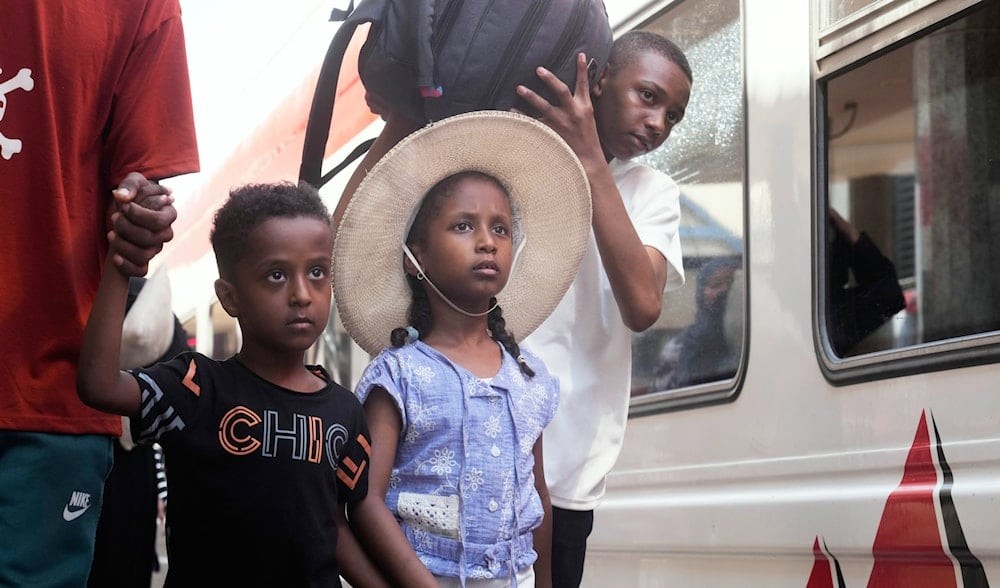
HALF MILLION RETURN TO KHARTOUM IN 1 MONTH…UN reports, as capital sees relative calm. Meanwhile, deadly fighting continues in Darfur and Kordofan. 500,074 individuals made their way back to the city, a 400% increase from June. The uptick follows the army’s recapture of Khartoum, amid continued efforts by the government to launch reconstruction and stabilization programs. IOM noted 2 million Sudanese returned to their homes across the country over the past 9 months. The highest number of returnees was recorded in al-Jazira, followed by Khartoum, which welcomed
August 24
WAR STEALING THE RIGHT OF WOMEN AND MOTHERS TO LIFE. Dr. Sawsan Abdul Qayyum, obstetrician and gynecologist: “Maternal mortality rates and surviving cases resulting from bleeding, infection, preeclampsia and complications increased, as community midwives and medical staff have been forced to flee conflict zones….” In safer cities, women faced other challenges: lack of ante and postnatal care as a result of enormous pressure on the health system, security conditions, lack of transportation and high cost made it difficult to access the few health facilities still functioning, as well as lack of family planning services and difficulty of accessing contraceptives. As for rape survivors, many have not received treatment due to the difficulty of reaching them and weak support system, while many are reluctant to disclose what they experienced, including both male and female victims. The physical and psychological consequences of these abuses are enormous, and resulting pregnancy is often denied the option of abortion. … In the heart of conflict zones…a silent tragedy unfolds for women and girls. Dr. Magda Mohamed said 70% of hospitals closed their doors, and have been turned into empty buildings or rubble. …thousands of pregnant women find themselves forced to give birth in unsafe conditions, between the walls of dilapidated houses or inside tents, without any equipment to deal with severe bleeding or a faltering birth that may end in death. The shortage of medical staff made the scene even bleaker, leaving many women with no hope of obtaining basic health rights. In this harsh reality, opportunities for family planning are fading, unwanted pregnancies are increasing, and risk of death during pregnancy or childbirth is multiplied. As for rape survivors, most do not receive treatment and do not find anyone to hear their voices, the stigma of shame and fear silences many, while physical and psychological pain remains locked in the chest. This is…a humanitarian catastrophe that requires urgent intervention to save what can be saved, and protect the right of women and girls to life and dignity. Wafa Adam, embryologist, says the already fragile health system completely collapsed, leaving already scarce sexual and reproductive health services almost non-existent. With widespread sexual violence and lack of treatment, Sudan faces a high risk of a public health crisis linked to the spread of…sexually transmitted diseases….exacerbated by pregnancies from sexual violence, unsafe abortions, exposing women and girls to high rates of illness and mortality….The interruption of access to contraceptives remains an additional challenge, as Sudan relied heavily on donor funding and private sector services to provide reproductive health services, and these services, originally distributed inequitably, have been disrupted, meaning women and girls do not have access to modern contraceptives. It highlights the urgent need for national public health intervention to prevent AIDS epidemic after the war…. The New Arab
JUDICIAL RULINGS: SWORD OF THE ARMY ON NECKS OF CIVILIANS. Mustafa did not expect a passing joke in a WhatsApp chat would lead to a cell and judicial sentence of 10 years. Although…what he said was just a joke, denying any connection to the RSF,…his clarification did not intercede for him. Mustafa took refuge in Cairo…after the outbreak of the war and returned to work gold prospecting in Northern State. Later he went to Atbara to take final exams at univ. After exams, on his way back to the gold mines, intelligence services stopped him at Khaliwa checkpoint, where he was arrested and transferred to court, which issued the harsh sentence…. In a similar case, Bahri court issued a death sentence against a young woman (Yuwa). Since the outbreak of the war, Yuwa has been working for neighbours: she brought water, prepared food, distributed it to neighbours and the elderly, and ran a small kindergarten for children. But this pure biography was turned upside down when she found herself in the dock on charges of “collaborating with Rapid Support” before she was sentenced to death. …her innocence was confirmed by residents of the neighbourhood, who see the case as a settling of scores….Yuwa revealed involvement of a family known for stealing abandoned houses of its sons in the RSF. The family…presented false witnesses to convict her. These are 2 of hundreds judicial rulings…that sparked widespread criticism of the Sudanese judiciary. They indicate thousands of citizens languishing in cells for similar reasons, and that the catastrophic effects of the war did not stop at killing thousands….
A few months after the outbreak of the war, courts began issuing death sentences. Citizens have been sentenced to years in prison for collaborating with RSF….as punishment for crimes (undermining constitutional order, provoking war against the state and crimes against humanity) but in the eyes of many they are tools of intimidation, repression and settling scores….The pace of issuing death sentences against civilians on charges of collaborating with RSF has escalated, and hardly a day goes by without court decisions to order execution of citizens in trials that lack minimum standards…. Mohamed Salah, Emergency Lawyers Group, confirms…the judicial system has turned into a political tool in the hands of the army, used to terrorise civilians, support its orientations in the conflict and create a state of fear and apprehension. …what is happening is complete politicisation of the judiciary turning it into a security arm of the army through false accusations and illegal measures aimed at humiliating civilians and pushing them to accuse each other, in the interests of security services,….Radio Dabanga monitored 82 death sentences and 51 prison sentences ranging from life to 5 years issued in states controlled by the armed forces….
Politically, lawyer Mohamed Abdel Moneim (El Sulaimi) believes these sentences reflect the army’s tendency to use the judiciary as a tool in its battle against opponents, legitimise repressive practices that contradict international humanitarian law. …spread terror and send political messages to the opposition that the cost of cooperation with RSF will be death. …the majority of trials are taking place away from the eyes of the media and human rights monitoring.…news of trials only reaches when the accused is a well-known figure, or when family has the ability to bring the case to the public. El Sulaimi says the conviction rate reaches 99.9% which raises serious doubts about conditions of justice targeting as either the accused is a politician associated with FCC parties, or a citizen of western Sudan who belongs to an ethnic group seen as a social incubator for RSF. “There is a list…of 35 people from Nyala wanted on money laundering and collaborating with RSF some of whom died 10 years ago, and…elderly people who left Sudan a long time ago…”
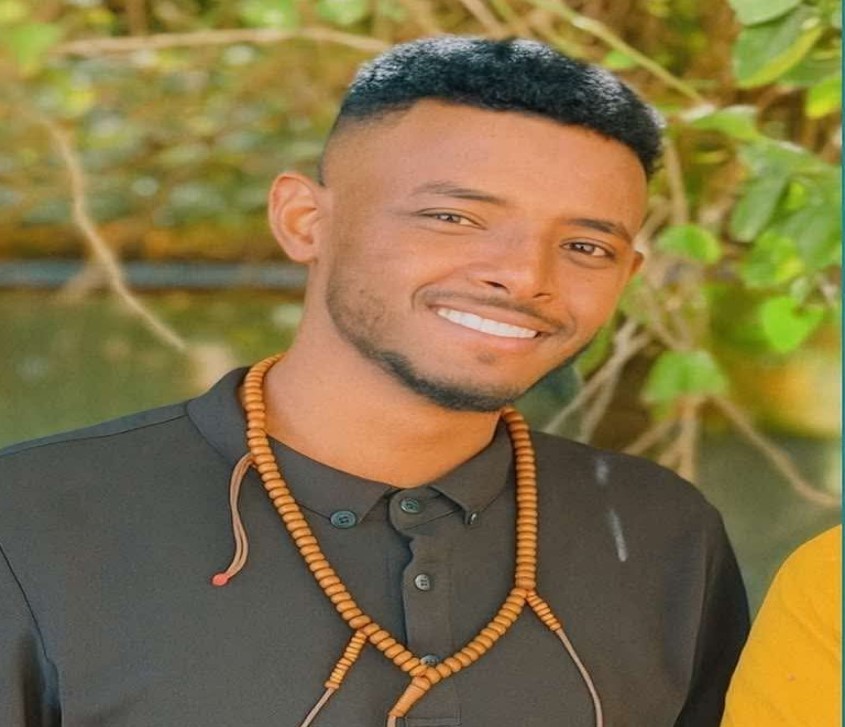
According to intl humanitarian law, trials in conflict zones…must be subject to a fair trial, with procedural guarantees for the parties, so that there are legal procedures in the processes (arrest, investigation or investigation and referral to court), and guarantees of legislation and law the accused will be tried by natural law and not subjected to arbitrary procedures….the judicial system…has turned into a political tool in the hands of the army, used to terrorise civilians, support its orientations in the conflict, and create a state of fear and apprehension. He argues that ongoing trials lack the most basic standards of legal integrity and the charges, in particular the charge of “collaborating with Rapid Support”, have no legal or constitutional basis. The judiciary is facing sharp criticism from observers over…selective justice after it overlooked prosecution of military and political leaders and former fighters in RSF, including commander of Sudan Shield Kikel, in addition to figures who…announced their return from RSF as advisors to Hemedti. At the same time, unarmed civilians who were unable to leave areas entered by RSF are being charged with collaborating….some face death sentences or life imprisonment. Sulaimi points to ongoing harassment by security services. The most recent was arrest of lawyer Muntaser Abdullah, who was defending political prisoners.
Many trials were conducted on a summary basis and field trials that lacked minimum standards….some defendants remain in detention for long periods before trial, making the period a punishment, even if the court later acquits. …procedures are flawed, as trials are often held without lawyers, similar to public order courts during the Bashir era, and the charge turns into a tool for settling personal scores. Civilians who lived in areas controlled by RSF find themselves accused of collaborating. …hundreds of civilians are in prisons in Pt Sudan, Gedaref and Khartoum, including women sentenced to death or life in prison. Trials continue daily, especially Karri in Omdurman… “an attempt to subjugate civilians and break their will.” According to lawyer Mohamed Abdel Moneim some estimates indicate 5,000 detainees in prisons in Gezira alone since the armed forces took control. These findings bolstered by Emergency Lawyers’ group indicates thousands of detainees in Khartoum and Wad Madani who face charges that carry the death penalty….what is left of the judiciary has become a fully politicised body that implements the agenda of the armed forces: “This is a catastrophic…human rights situation civilians are living in.” Dabanga
PARAMILITARY SHELLED HOSP IN EL FASHER, ABDUCTED 6 WOMEN AND 2 CHILDREN FROM DISPLACEMENT CAMP. Emergency Response Rm Abu Shouk Camp said RSF fighters stormed the site, seizing 8 unarmed civilians….20 camp residents were missing, rescuers said, warning the actual number could be higher. Abu Shouk…has been attacked twice this month. The first assault left dead more than 40 people. RSF artillery hit the emergency and trauma unit of a hospital in El-Fasher, wounding 7 including a staff member. The bombardment…”caused damage to the emergency dept, forcing us to suspend operations.” The hospital is 1 of only 3 still functioning. RSF stepped up attacks on El-Fasher and surrounding camps to tighten its hold on western Sudan where it controls most of the Darfur region. The New Arab/AFP
August 21
ARMY DENIED TARGETING WFP CONVOY DELIVERING AID TO FAMINE-HIT AREAS IN DARFUR. WFP said 3 of the convoy’s 16 trucks were damaged and caught fire, but all staff were safe. Both sides have used drones in the conflict, and attacks on aid operations have become frequent. The convoy was heading to a famine-affected village near Mellit which RSF has besieged for over a year. Both the army and RSF have been accused of obstructing aid deliveries and using starvation as a weapon of war. AfricaNews